



“We don’t need branding. We work with major clients.”
Branding in industrial sectors.


Not far from today, somewhere around 2030, Brasov is a cosmopolitan, vibrant and prosperous city, with a community regenerated by students drawn from across the country and abroad, by creative industries that play an increasingly significant role in the economy, and by tourists who visit us for the cultural events that take place throughout the year.
And yet, it is the ten years of public policies developed through Design methods, centred on improving the user experience of the city, that have transformed Brasov into an international brand. A destination that earned its reputation through the quality of its public services, its higher education offer, and an entrepreneurial ecosystem that, supported by investments in public infrastructure, has already produced companies competitive in the global market. The Brasov of 2030 is the city to which thousands of people have relocated from Bucharest, Cluj or Iasi, but also from various European countries.
Some compare us to Tallinn, the capital of East European creative industries, precisely because of the community’s courageous decision to invest intelligently in the city’s digital infrastructure, beyond material investments, and to use Design Thinking in the reform of public services.
A SMART CITY IN YOUR POCKET.
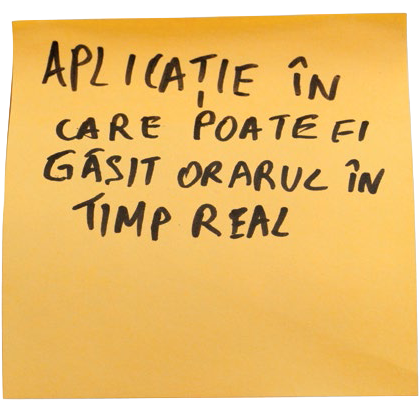
Of course, the city’s history, local traditions and culture, as well as its natural environment, are all important factors in the reputation we hold today. But they are also attributes shared by other European cities that, in the past, Brasov could barely compete with in terms of perceived value. The main argument of the city in recent years has become accessibility. The entire experience of living in Brasov in 2030 begins with the digital infrastructure of public services. A smart city in your pocket. Every resident, through their digital identity, has access to the interface through which they can manage most of their urban needs from any device. Booking a journey on the electric bus, reserving an autonomous community vehicle, or configuring a route to work, are just a few of the needs that the city’s digital infrastructure resolves using Open Data solutions, integrated with the digital services of other operators. “Hey Google, can I get to Postavarul Cabin in 40 minutes?”
Digital identity, location, traffic conditions, and the availability of various mobility solutions return the most suitable options based on real-time data. Once the option of using public transport is selected, it tells you at what time and at which stop an autonomous community vehicle will be waiting, how long the estimated journey to the destination will take, and how many credits the entire trip to the cabin costs, including the cable car. The same data, minus the 40-minute limit, can offer various other mobility alternatives.
For example, booking an electric mountain bike at the station in the old town centre, for the dedicated trail through Saua Tampei and Poiana Stechil up to Postavarul Cabin. A service developed by a local start-up that has become very popular among tourists, precisely because it is integrated with the city’s digital infrastructure and is easily accessible through the digital assistant on your phone.
In 2030, Brasov is a brand of accessibility. It is a city that responds to people’s needs in real time, whose public services are the result of interaction with citizens through design methods. It has become a brand of European urban experiences, precisely because its historical and natural attributes are organically complemented by intelligent public services that amplify their value.
But today… we’re not in 2030…
Today, Romania still does not have the political consensus for a national project that would offer citizens a development vision for the next 50 years.
The one in which education, career and quality of life are ordered by the references offered by developed societies, which we spend our lives trying to reach or even surpass.
These references become aspirations that shape our decisions along the way: the choice of a university, a city, a job, a career, but also decisions related to family, lifestyle or social status. They are decisions we want to make wisely, so that the path we begin leads us toward as many forms of fulfilment as possible. At the same time, they are decisions that take into account, only to a limited extent, aspects such as belonging to a nation, a community, a culture and a collective identity. In Romania’s case, the extent to which these aspects have mattered places our country second after Syria among nations with the highest migration rates. According to the 2015 UN report on global migration, between 2000 and 2015 the Romanian diaspora grew at an average of 7.3% per year. More than 4 million Romanians chose to complete their personal project in service of another country’s, predominantly in Western Europe.

Brasov today is a city driven by the momentum of the global economy and European policies. A city with modest arguments and modest results for those whose personal projects require Western benchmarks. A city with public services that barely sit comfortably alongside the word “functional”, maintained through administrative measures that react to community problems rather than anticipating them.
Today, local public administration remains captive within a centralised system, with decisions oriented too much toward politics and too little toward citizens. With strategies governed by statistical data rather than by needs heard in dialogue with people. Practically a city whose development you do not participate in as a citizen, but merely observe and measure against your own aspirations. A context that, in fact, can be found in most cities across the country, resulting from the way public administration is organised.
Beyond the administration, Brasov is a city that prospers by virtue of foreign investments in industrial production and the growth of tourism.
These figures are reflected both in the aggressive real estate development in the city and in the number of cars on the roads. While in the year 2000 there were 82 new homes completed, by 2016
this number had reached 1,293. And as for vehicles, if in 2006 there were 160 cars per 1,000 residents registered in Brasov, by 2013 there were 232 per 1,000, with a forecast for 2030 of approximately 500 per 1,000 (according to data from the Brasov Sustainable Urban Mobility Plan, PMUD).
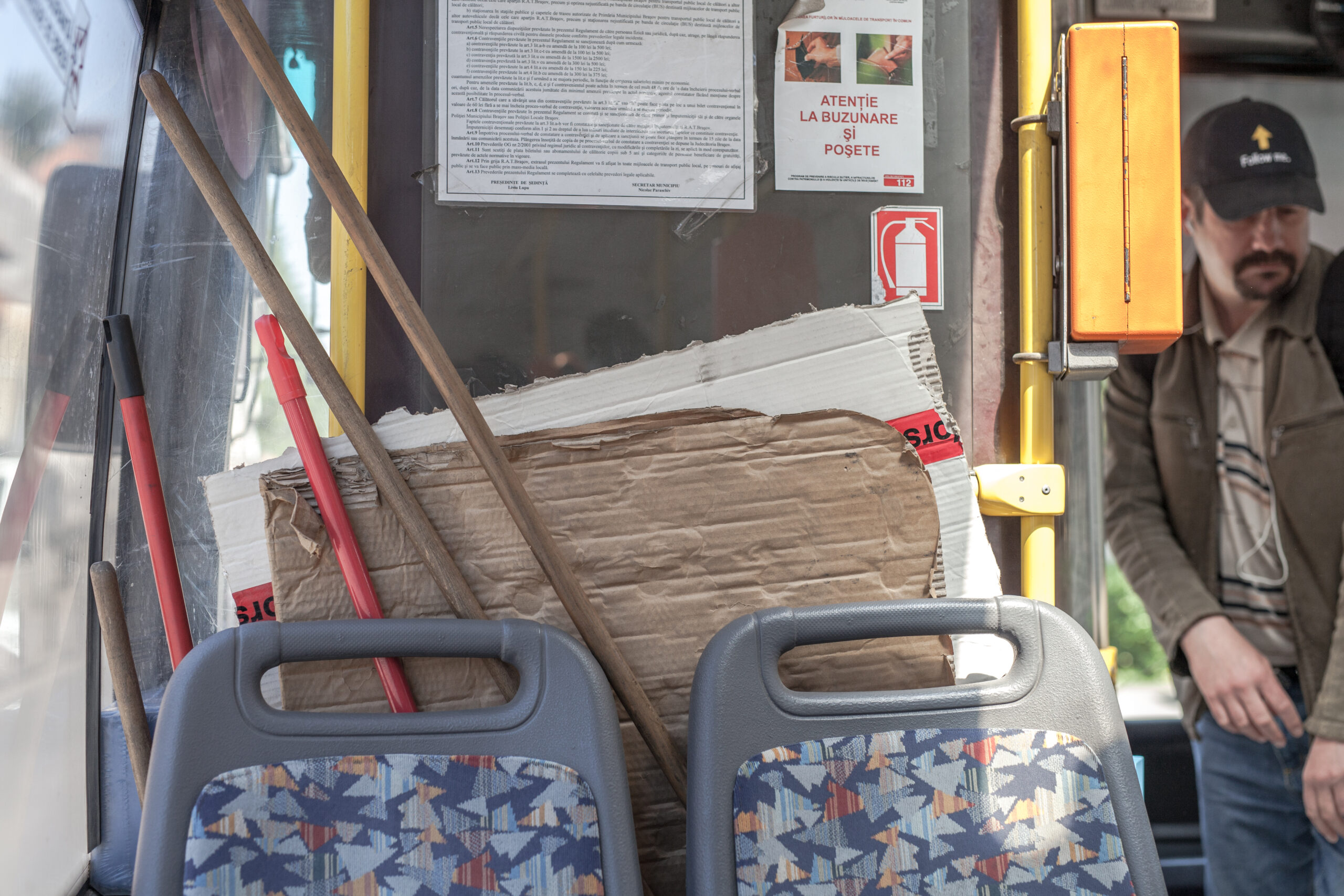
Brasov has developed chaotically: residents have bought more cars, the quality and capacity of public transport have declined sharply,
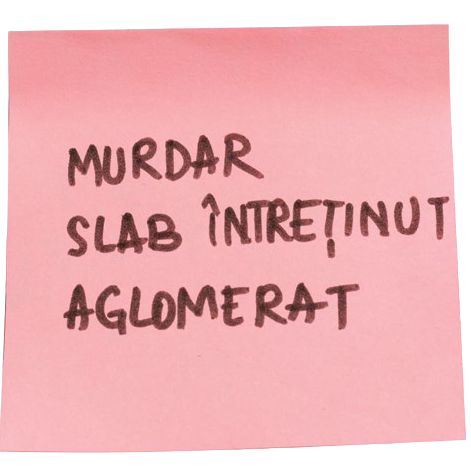
and the administration has responded by investing in road infrastructure in an attempt to balance traffic parameters. A policy whose effectiveness ends at the city’s physical limits and which has fewer and fewer options remaining. Especially since, in anticipation of the completion of the airport and motorways, Brasov’s urban mobility will seriously rival that of Bucharest (the most congested European capital according to the TomTom traffic index). The advantage of the momentum of EU policies is that they produce a first mechanism of cohesion precisely in the guidelines of European funding. As a result, the public authorities have developed the instrument needed to unblock the absorption of EU funds.
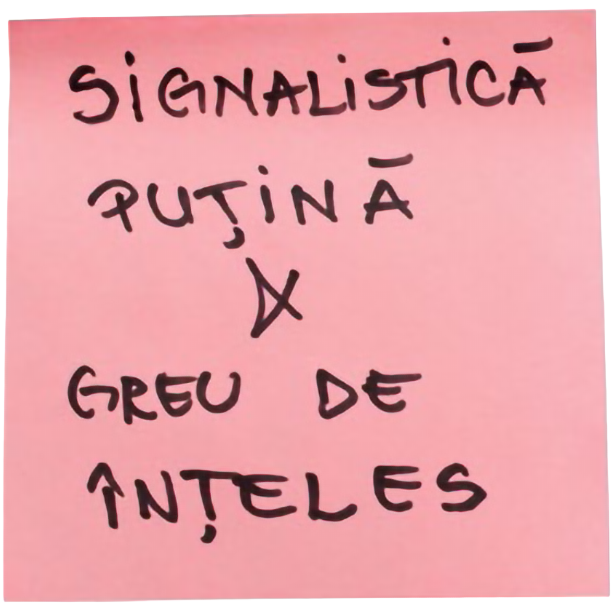
STRATEGY
The Sustainable Urban Mobility Plan for the Brasov Metropolitan Area (PMUD) was developed between 2014 and 2015 and adopted five main objectives to be achieved by 2030:
Each of these is further divided into several operational objectives, all ultimately aimed at transferring mobility choices away from personal vehicles toward public transport solutions, with the corresponding effects on the environment and quality of life. It is worth noting that the strategy does not include an implementation timeline, only a final deadline of 2030.
The strategic effort is therefore a consequence of EU cohesion policies and, in practice, a reactive and convergent measure by the authorities.
An effort that, although in essence carries correct principles validated by the good practices of other European cities, reveals significant shortcomings in the quality of implementation. A process with linear decisions, measured against aggregate data, within a bureaucratic and centralised mechanism and an ageing legislative framework, which ultimately leaves the citizen noting the inauguration of new investments. In an almost organic harmony with electoral years.
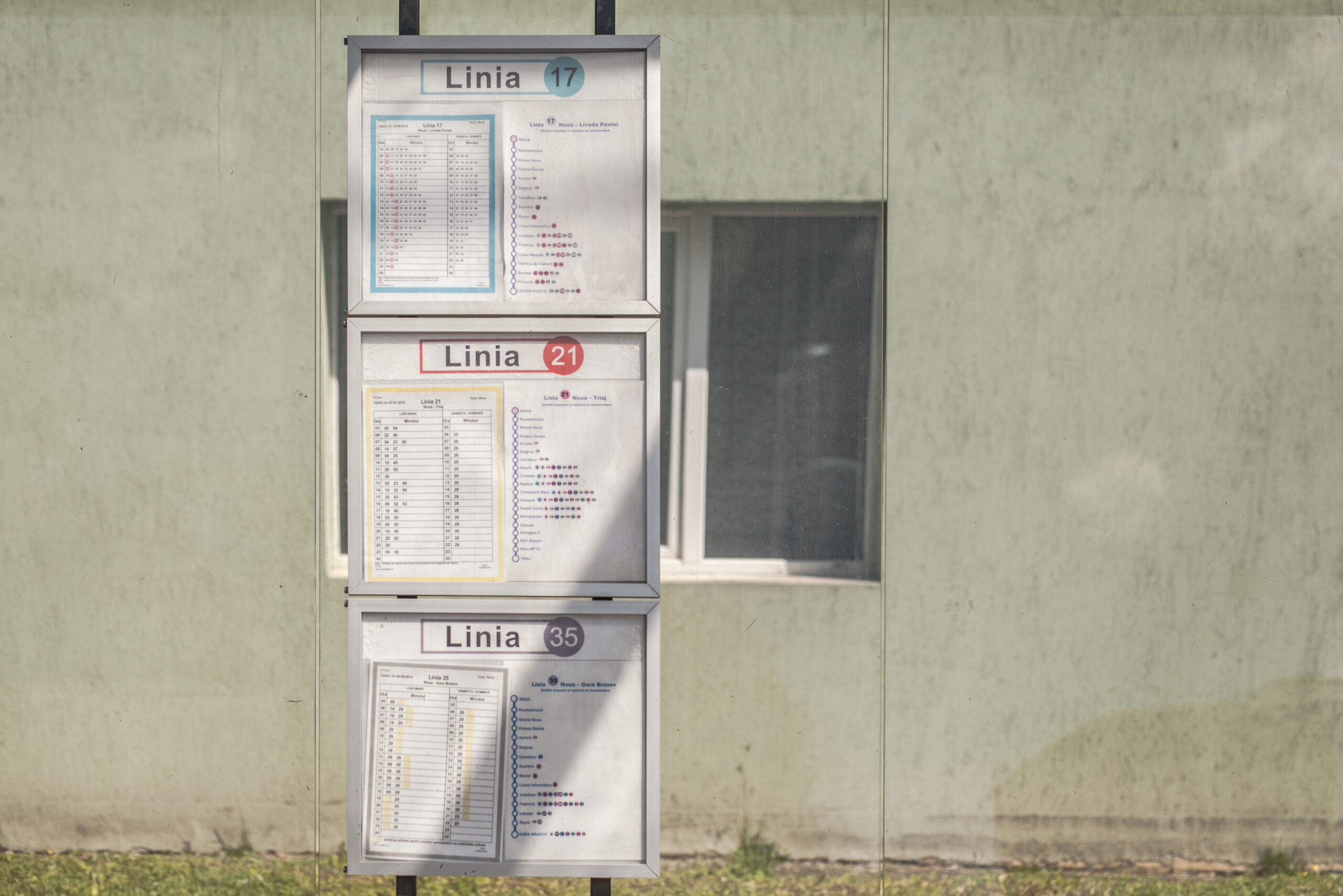
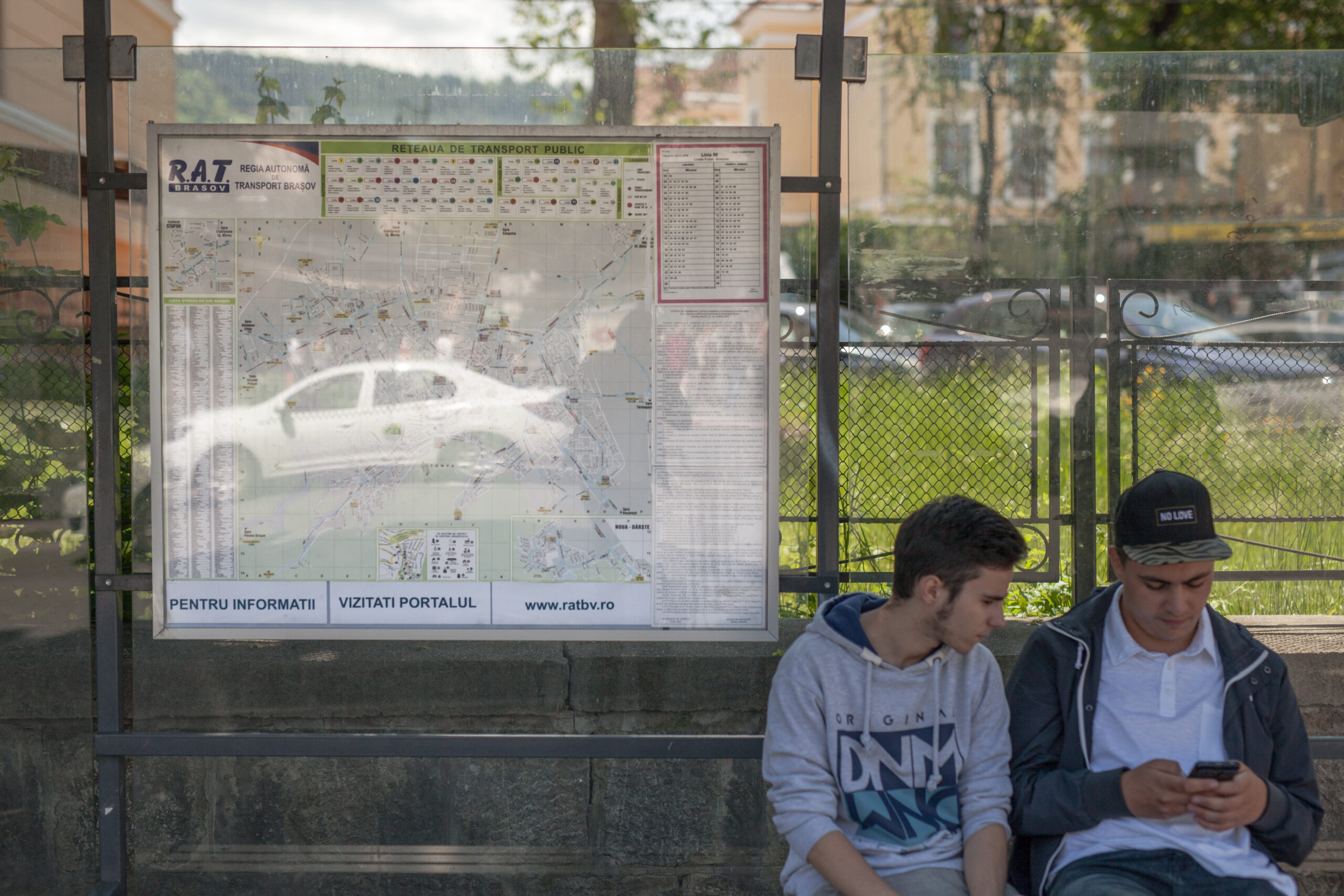
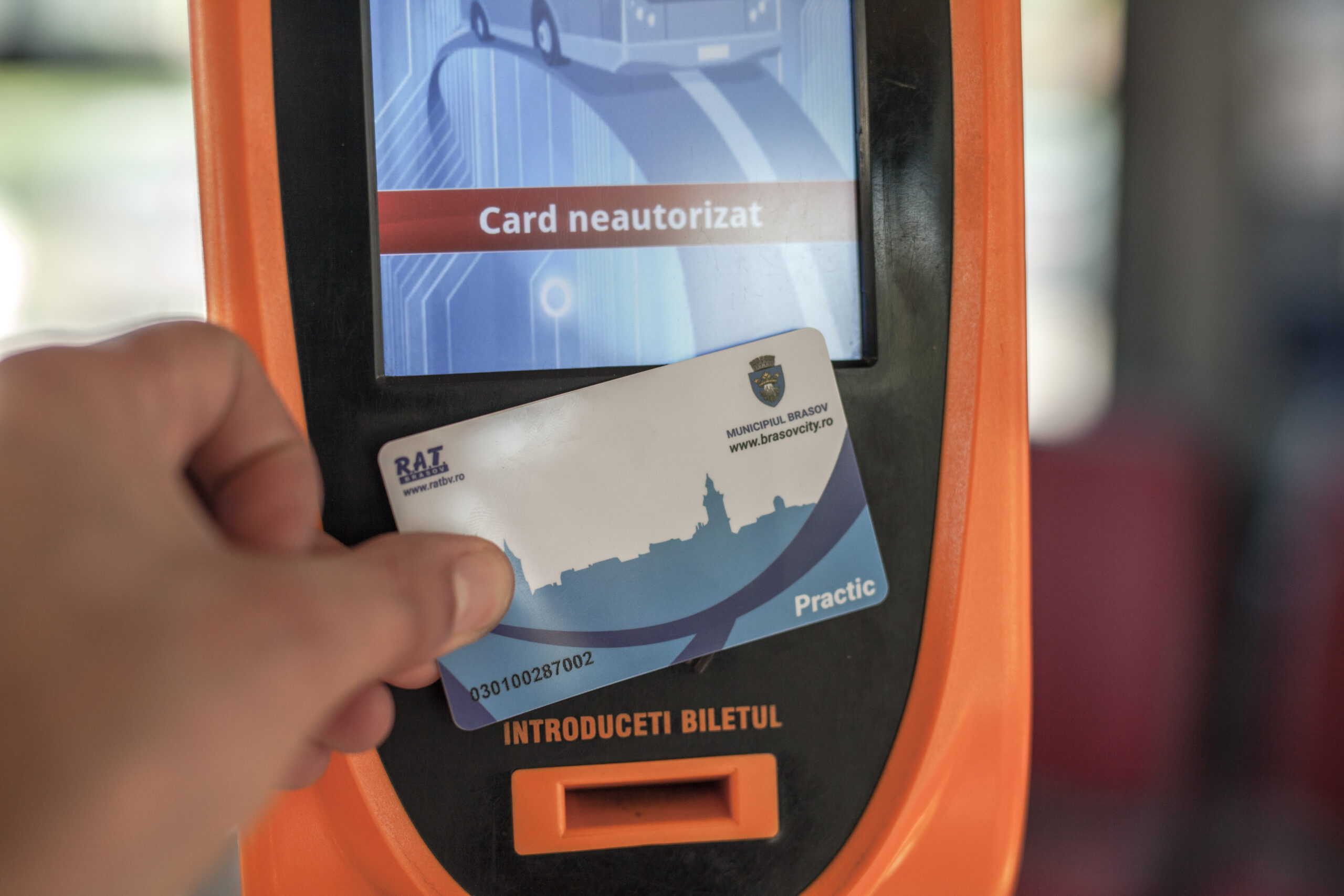
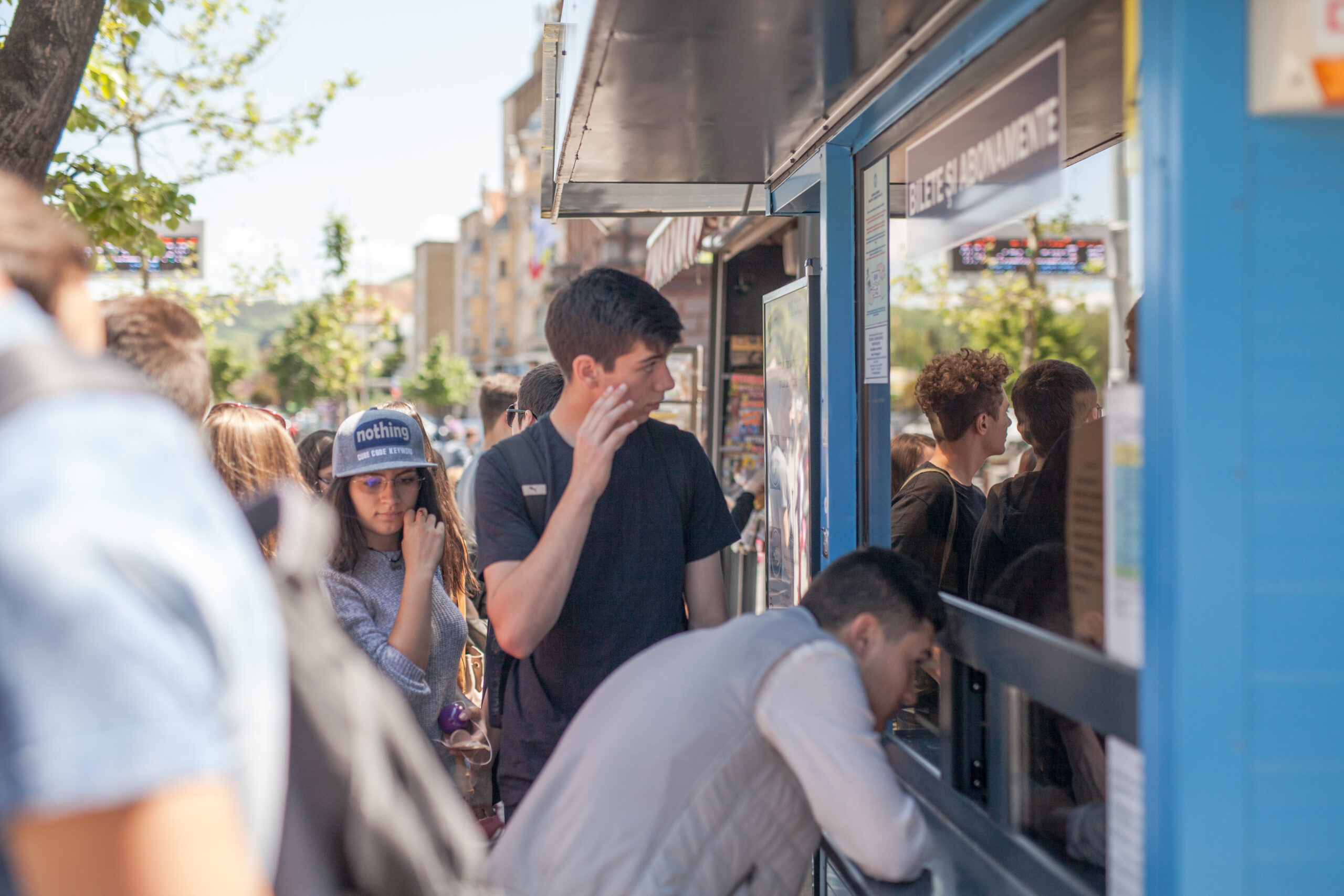
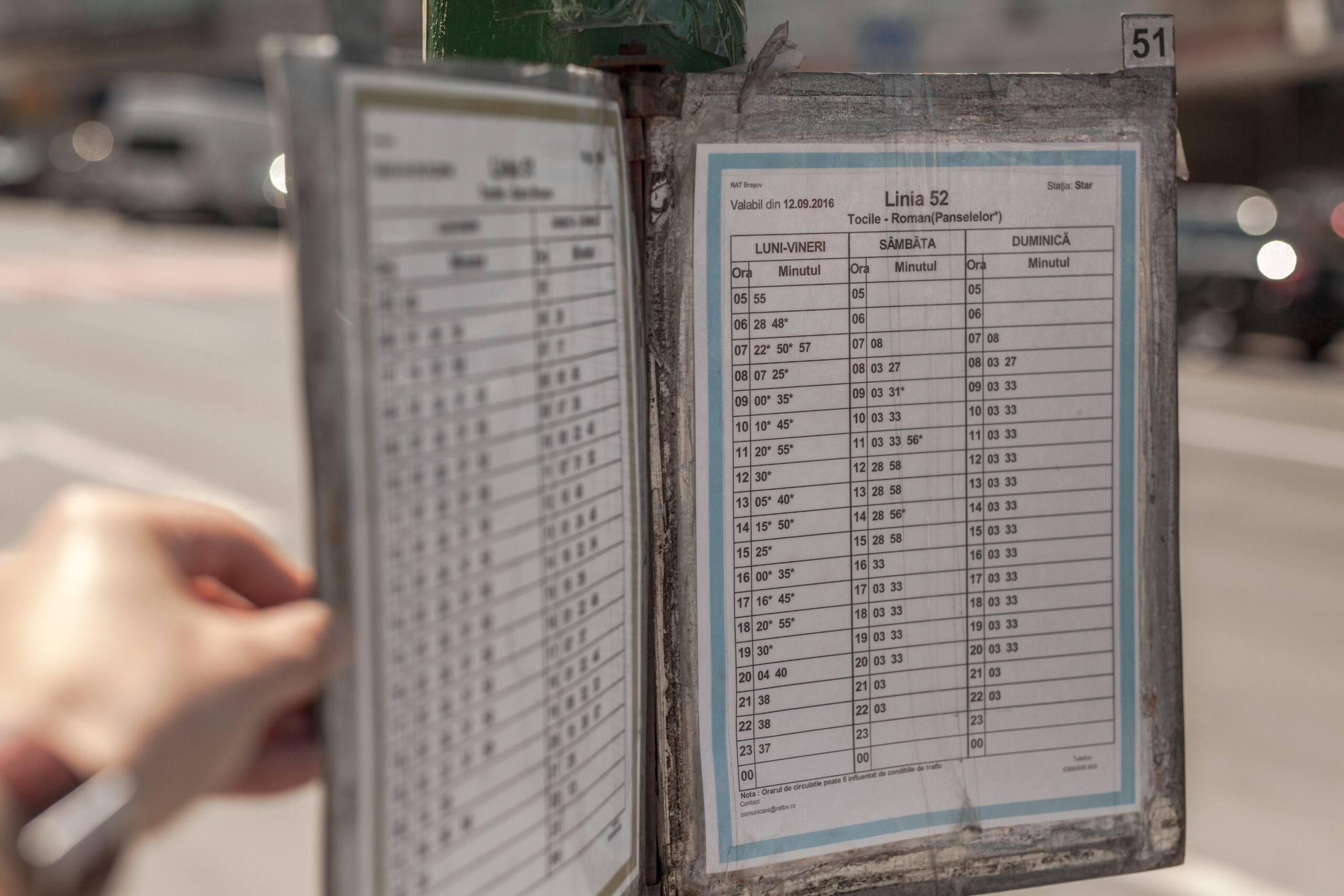
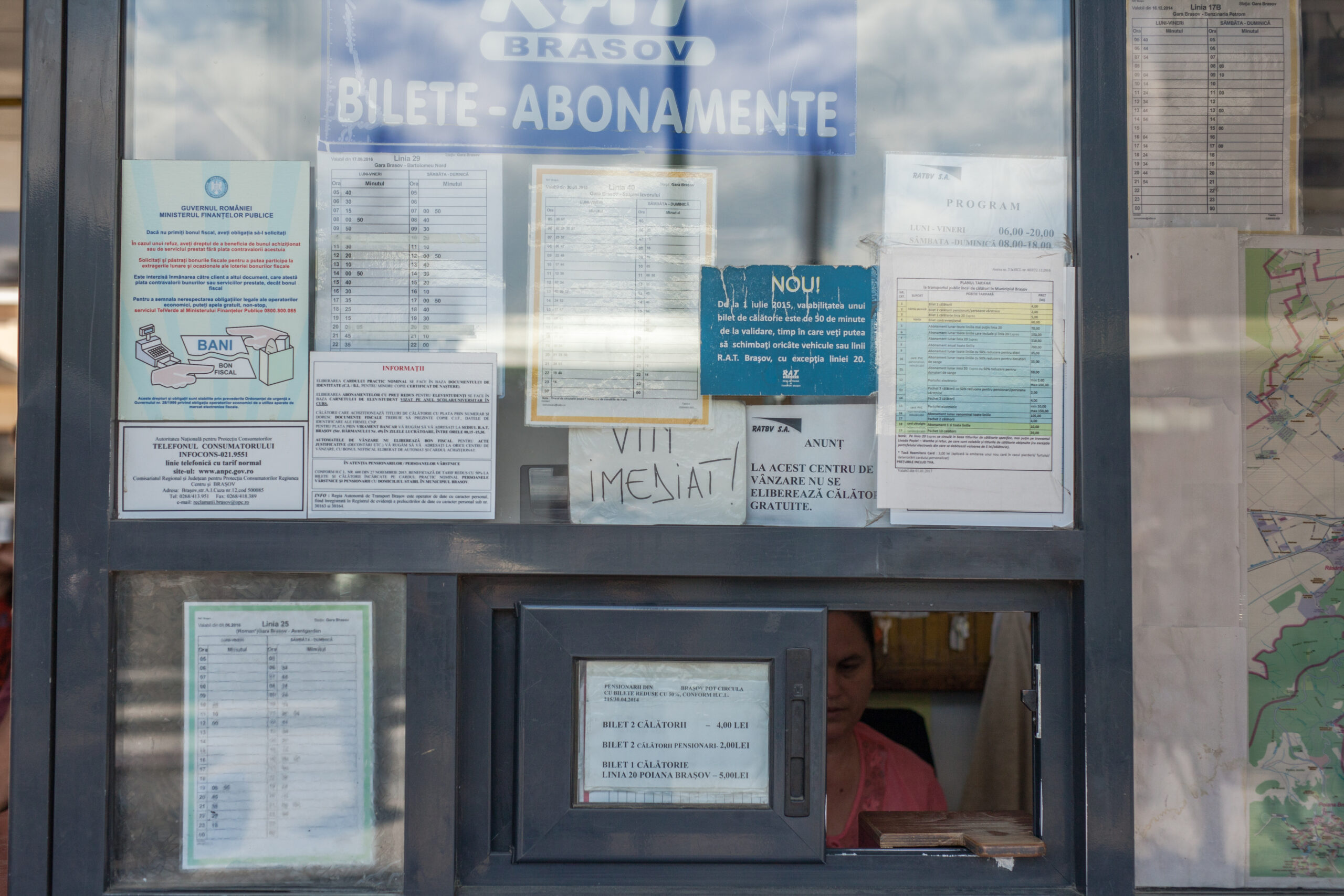
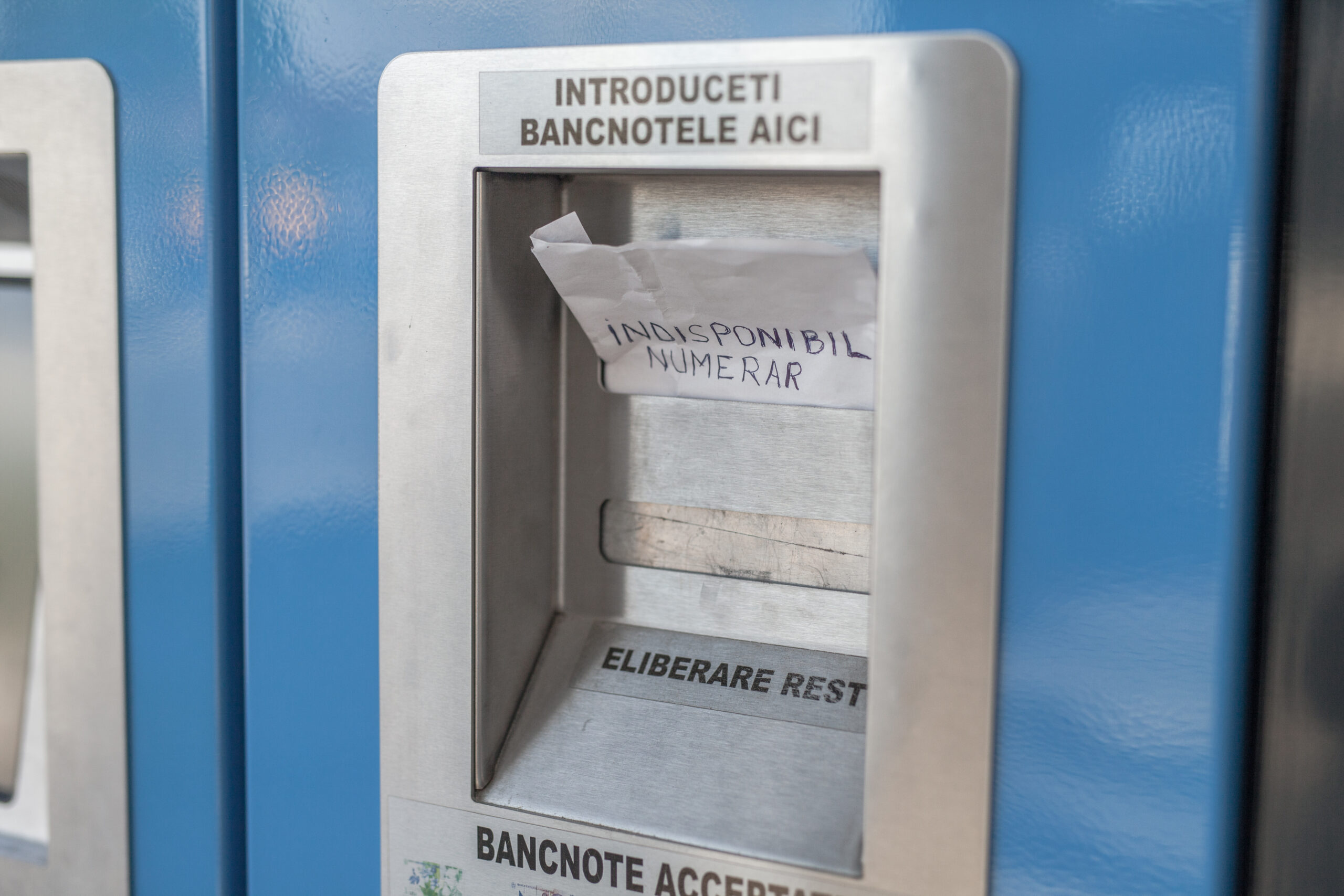
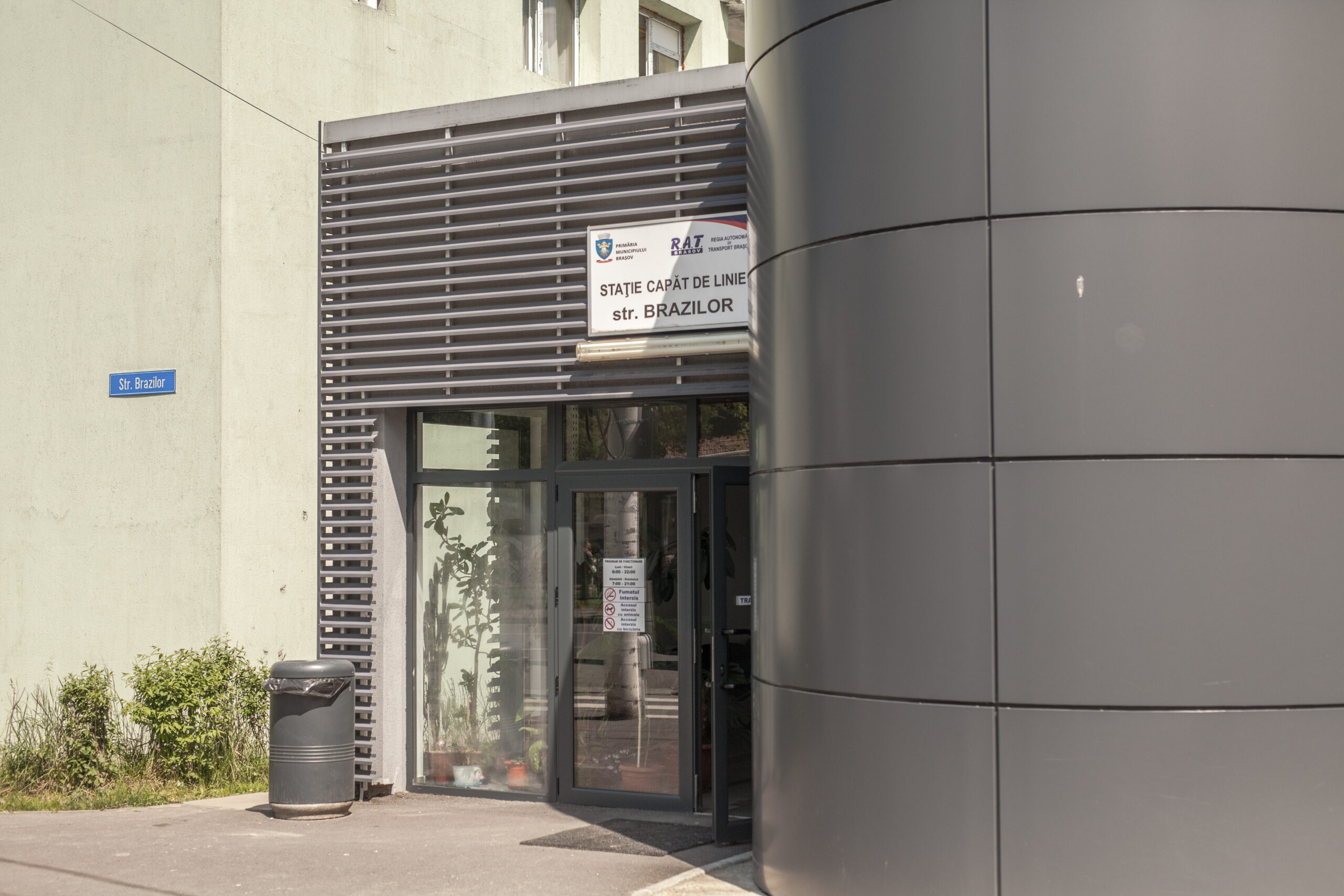
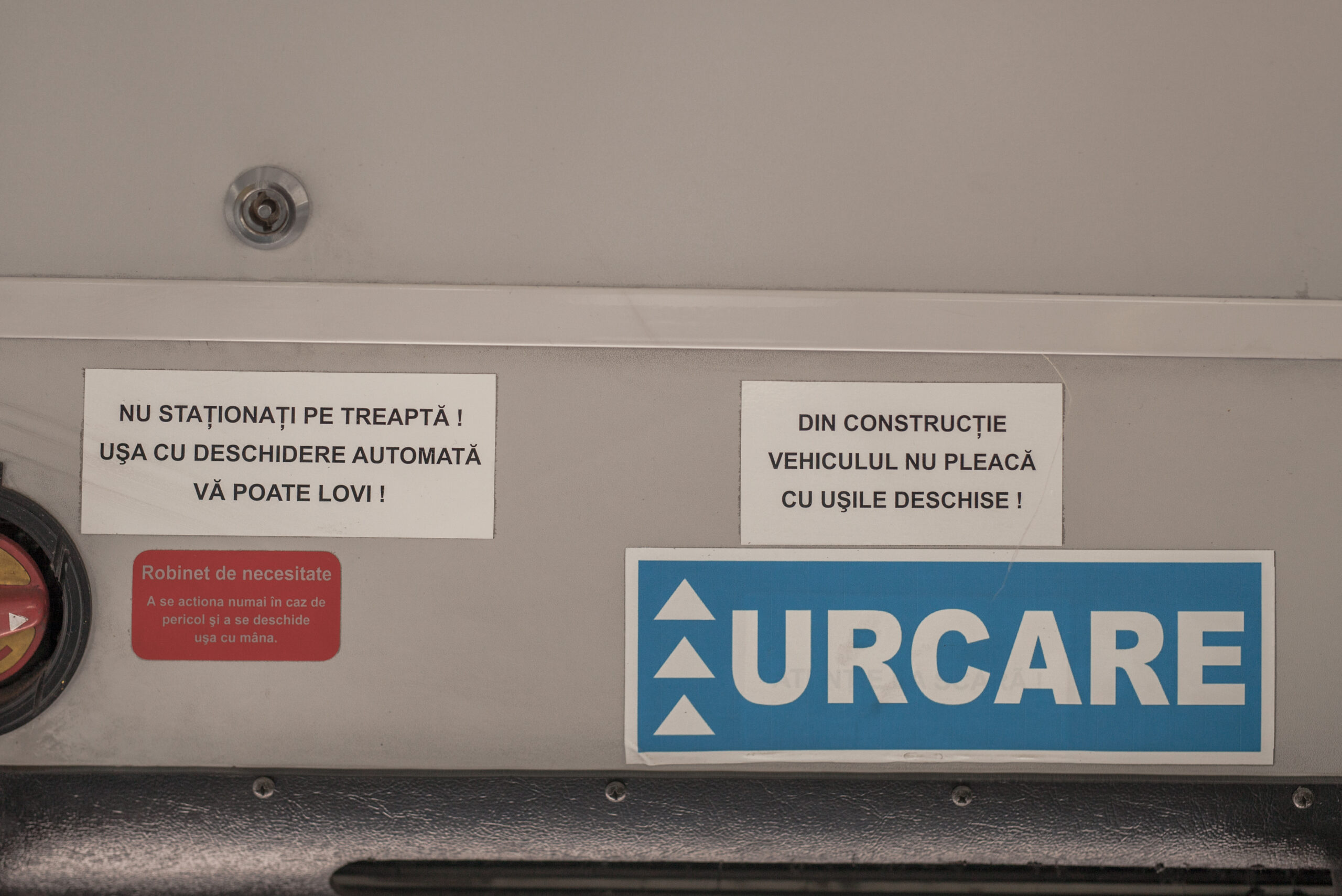
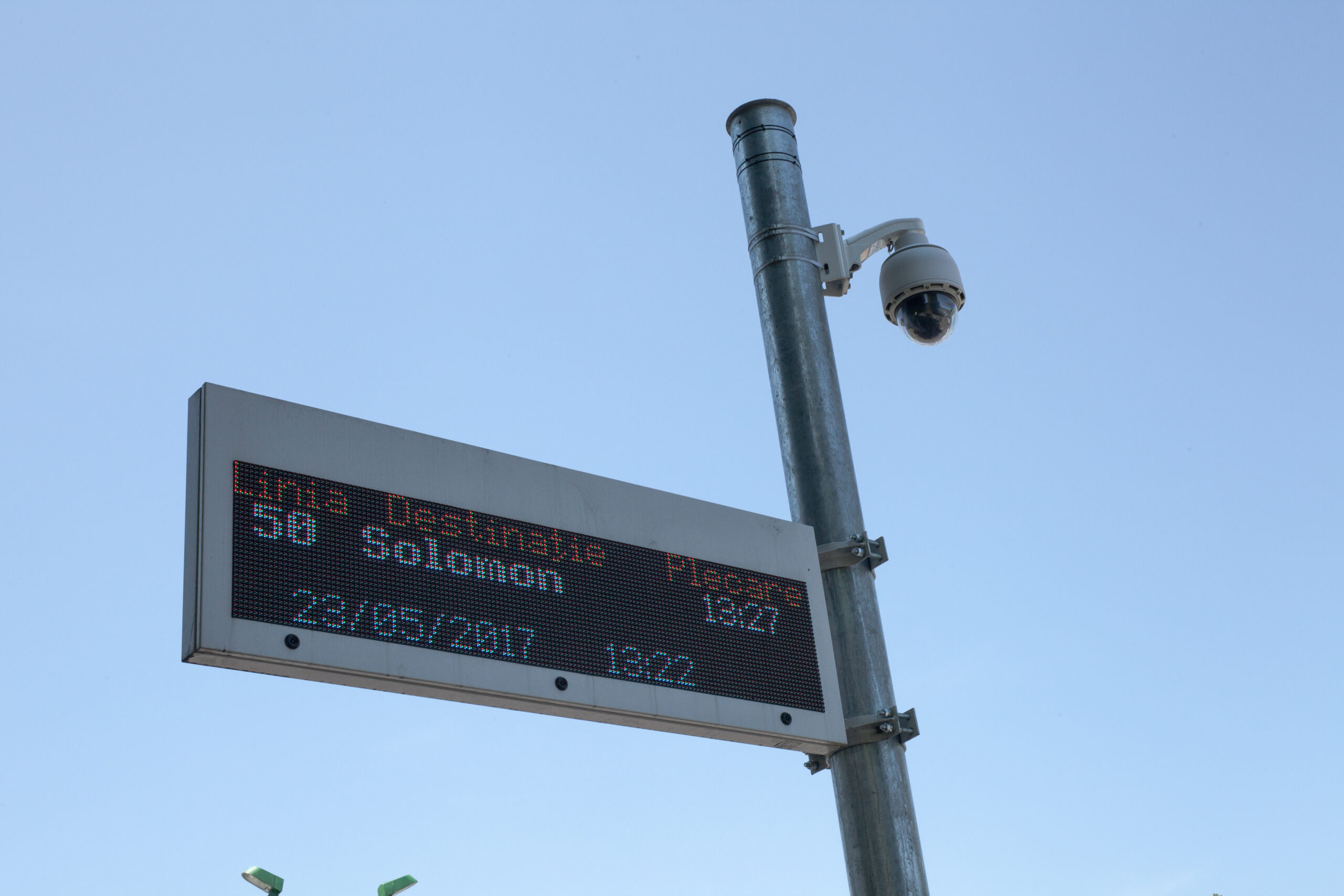
As users, we note the new stops at the RAT terminal lines, the Electronic Wallet system with all its interaction points (terminal stations, in-vehicle terminals, support services, etc.), or the parking facility in Poiana Mica alongside bus line 60, opened in November 2017 and suspended five months later. We observe without being involved in the choices made on our behalf and funded with our money. We observe a user experience that raises questions, which we then debate in the community after the fact.
and seek to make ourselves heard in dialogue with the authorities. It is that blind dialogue in which we are no longer people but officials and citizens. Romania and its parallel self. This is, in fact, the same political-administrative mechanism that has revealed its shortcomings in many other communities around the world, among which we nonetheless find the references of those who eventually arrived at different solutions: the ones that are today the success models from which European policies are drawn. The paradox, therefore, is that although the references behind local strategies are sound, the implementation bears no comparison to that of Copenhagen, London, Vienna, Tallinn and others.
One reason for this situation lies precisely in cultural differences, manifested in the responsibility of the administrative act, in the mechanisms for including citizens in defining solutions (Co-Design), and in the proactive civic attitude of each individual. In London, the mobility strategy is an organic process that involves people in defining solutions. A process that is, moreover, the foundation of the relationship with the community, and which produces not only the functional balance of the transit services of a major metropolis, but, more importantly, influences collective culture and, with it, behaviours and perceptions.
“Design is not just about how things look, but also about how they work. Design creates value and contributes to competitiveness and prosperity in Europe. The European Commission seeks to accelerate the adoption of design within industrial and innovation activities at the European, national and regional level.”
The Estonian Design Center, established in 2008 and brought in as a partner in the DfE programme, is involved in reforming the public services of the capital Tallinn, for example.
Public transport has been free since 2013 for official residents, supported by the implementation of an electronic card and digital infrastructure. In parallel, a service was developed for tourists, accessed through the Tallinn Card, which for 36 euros per day offers unlimited rides on public transport, access to 40 museums and tourist attractions, as well as various discounts. The economic effect is an annual profit of 20 million euros, generated both by the increase in the number of tax-paying residents (an increase of 25,000 from 2013 to 2016, starting from an initial population of 416,000) and by the Tallinn Card service.
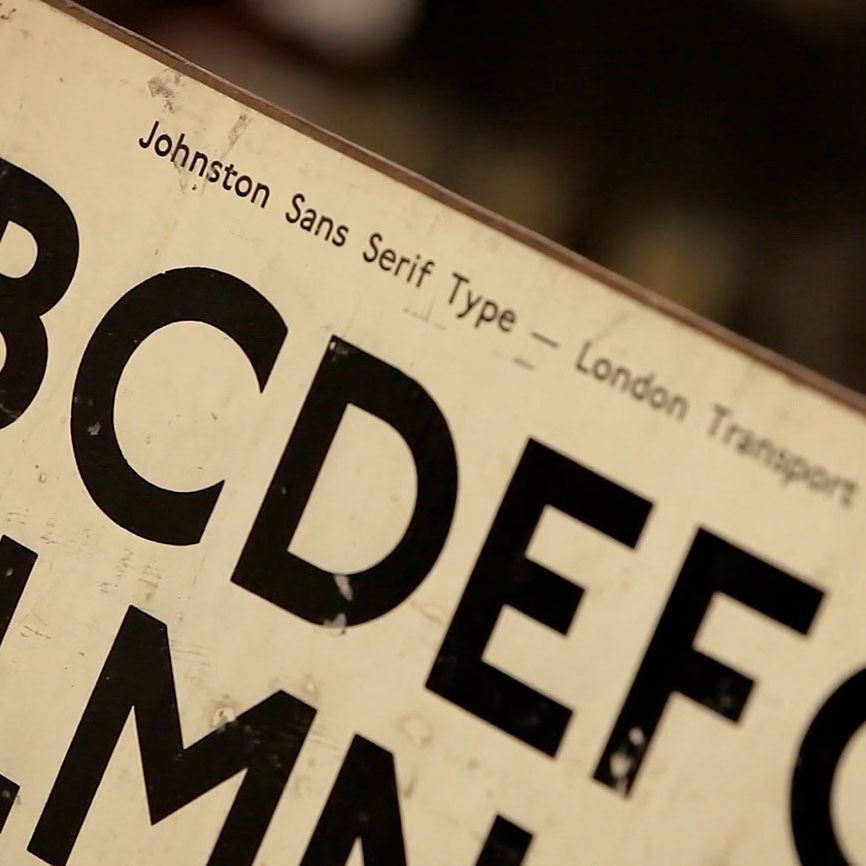
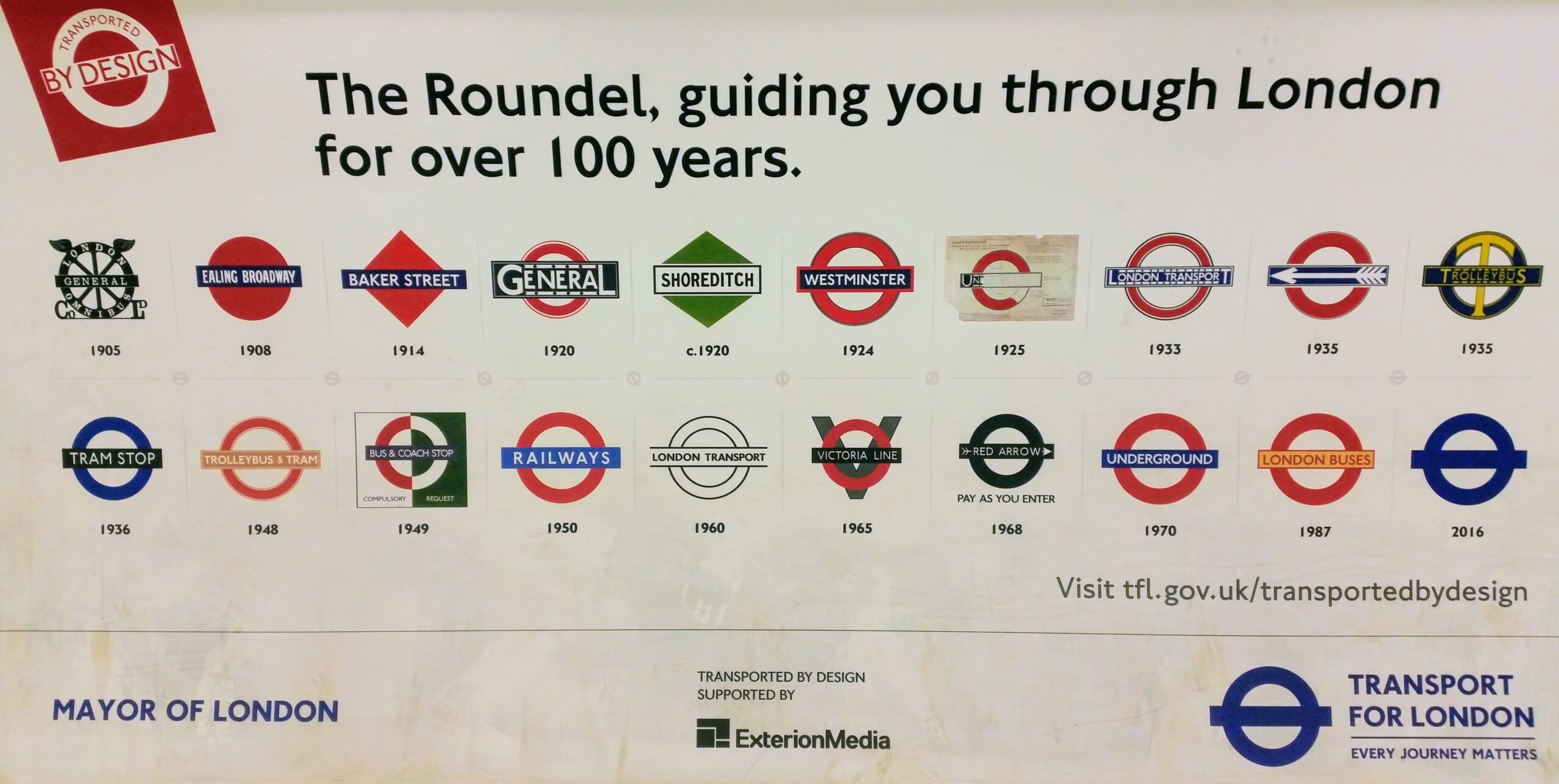
Returning to London, the relationship between transport services and the public has been systematically built over more than 150 years. We are, in practice, speaking of a collective culture transferred across generations: one that is reflected by the authorities through proactive, inclusive and efficient urban mobility solutions, and by the public through attitude, engagement and responsibility. The graphic design system of the transport services is a fundamental component of the city’s identity, from the Underground logo of 1908 to the Johnston typeface used with strict consistency in all visual communication for over a hundred years. But it is not only tradition that transformed the graphic design system into a city brand. The vast environment of transport is used to communicate with the public, to educate behaviours and to build collective culture. A complex mechanism inspired by people that has, in turn, become a global cultural reference, a sum of factors that today contribute significantly to London’s brand reputation.
And one of the reasons for that discipline is precisely the fact that Londoners participate in urban mobility solutions through Design Thinking processes facilitated by the Design Council. The Design Council is a public interest organisation, established in 1944 by the President of the Board of Trade, Hugh Dalton, with the support of the British Royal House. In the context of European policies, the Design Council coordinated the European Union’s Design for Europe programme. A consortium formed by design centres from other European countries, universities and innovation facilitation organisations, which between 2013 and 2016 played the role of implementing the EU programme Design for Innovation.
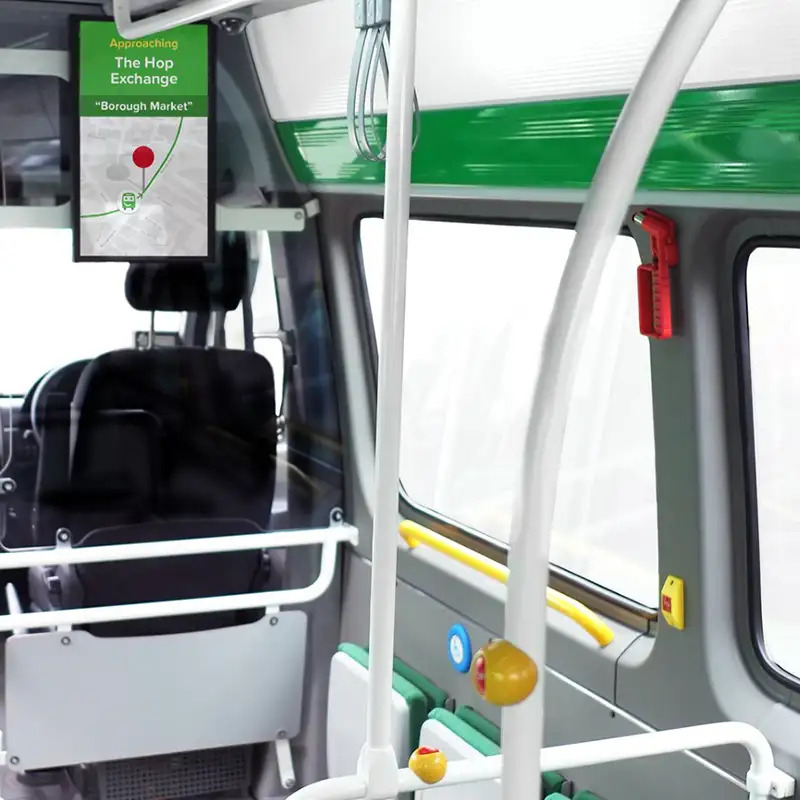
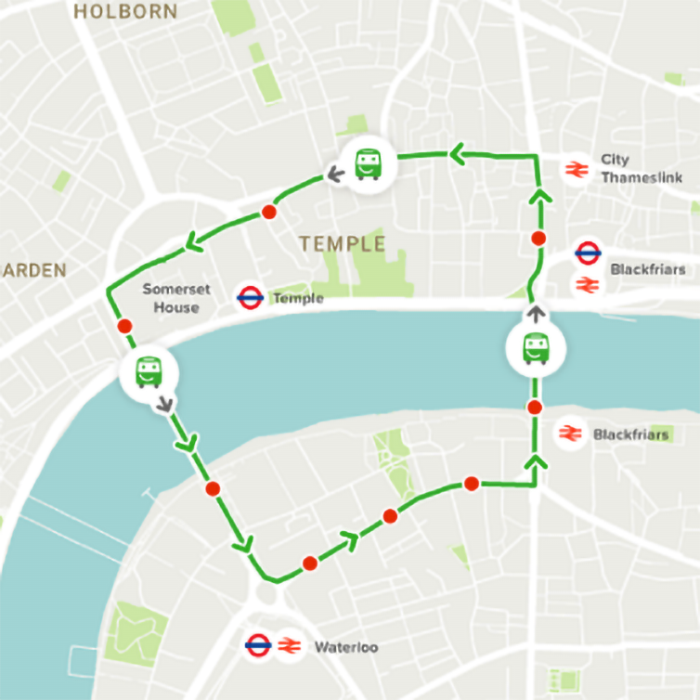
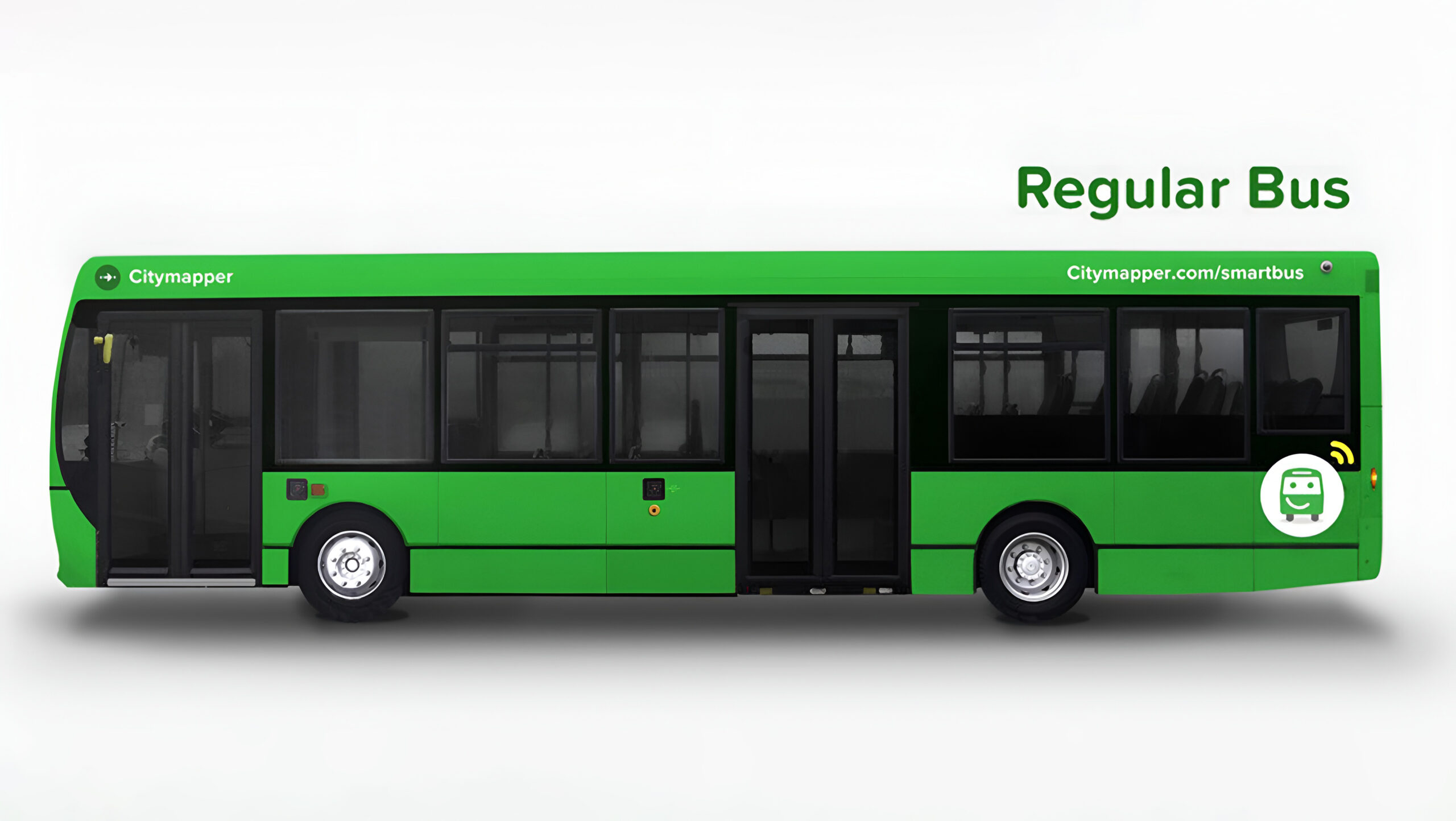
Initially a mobile app used by commuters to configure routes across all modes of transport in London, Citymapper has since become the operator of a SmartBus covering overnight routes left uncovered by TfL services.
In practice, data gathered from the app’s users revealed the opportunity for new transport solutions, and so the green Citymapper minibus was born.
“We built an app using Open Data from TfL and using maps and platforms from Google and Apple. Now, Google, Apple and TfL show our bus in their apps and digital platforms, sending people to our bus.”
Regarding recent measures, the adoption of Open Data technology led both to the Oyster card system (the reference for the Tallinn Card) and to the development of private services that complement those of TfL (Transport for London), such as Citymapper.
In Vienna’s Urban Mobility Plan STEP 2025, starting from the motto “Together on the Move”, all the strategic threads converge toward building, across multiple layers, a new culture of mobility within a city: priority is given to walking and cycling; public transport aims to improve its offer in terms of both infrastructure and price, as well as integration with multi-modal solutions through the collaboration of all public transport operators, thereby minimising the need to own a car in order to enjoy mobility. The strategy further envisages new possibilities for ride-sharing and rental, as well as options for borrowing and shared use of bicycles.
What is interesting to note is that all these measures fall within a new, modern paradigm of eco-mobility, social inclusion and responsible transport, to which, unlike what we can observe in our own local culture, citizens adhere both in principle and as a mindset.
Amsterdam used Design Thinking methods, involved the community, secured the support of the business environment, and successfully implemented several design-driven initiatives.
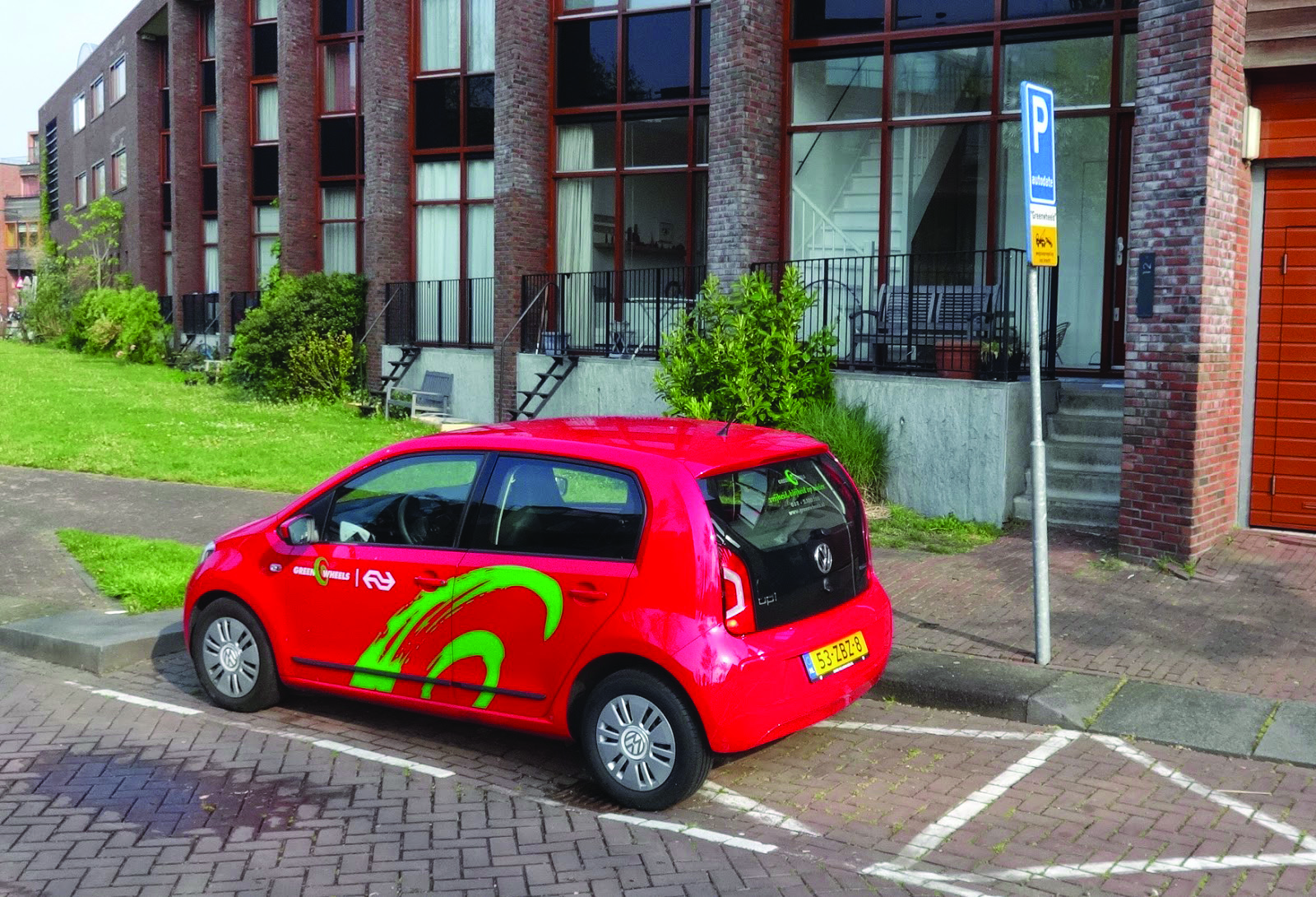
For example: a special zone dedicated to sustainable commercial centres, charging stations for boats, car-sharing between neighbours, and even a health centre.
Viewed in perspective, all the success models discussed throughout this article began with a gesture of approaching the citizen and encouraging their involvement in the overall decision-making process. In most cases, the effect was the intended one: certain aspects that had seemed intangible and very difficult to address, because they belonged exclusively to an administrative system, became concrete, clear and intelligible to a wide range of stakeholders.
The scenario of Brasov in 2030 described at the beginning of this article actually looks like a Western European city of today.
It is equally possible that we may only observe a simple momentum-driven evolution, much like the one we have seen so far. This last option is not an option for some of us. Rather, we are seeking to define the opportunity to become involved in developing solutions for the community, in collaboration with the authorities.
A positive sign in this direction is the increasingly frequent public debates about the city’s problems, initiatives such as those related to urban mobility by the Visum Association, architect Gabi Buhu’s Brasov tram project, the openness to public interaction of the new RATBV management, as well as the intentions to increase the transparency of the administrative act on the part of the authorities.
including 10 years of entrepreneurship in the creative industries, I have been involved in branding and design projects for both international and local companies, as well as in social and cultural projects within the community. The benefits of strategic design and branding applied in the commercial sphere, combined with the civic impulse to contribute to community development, led me some years ago to the conclusion that a Design Driven City is the one I want to live in and the one I want to leave behind.
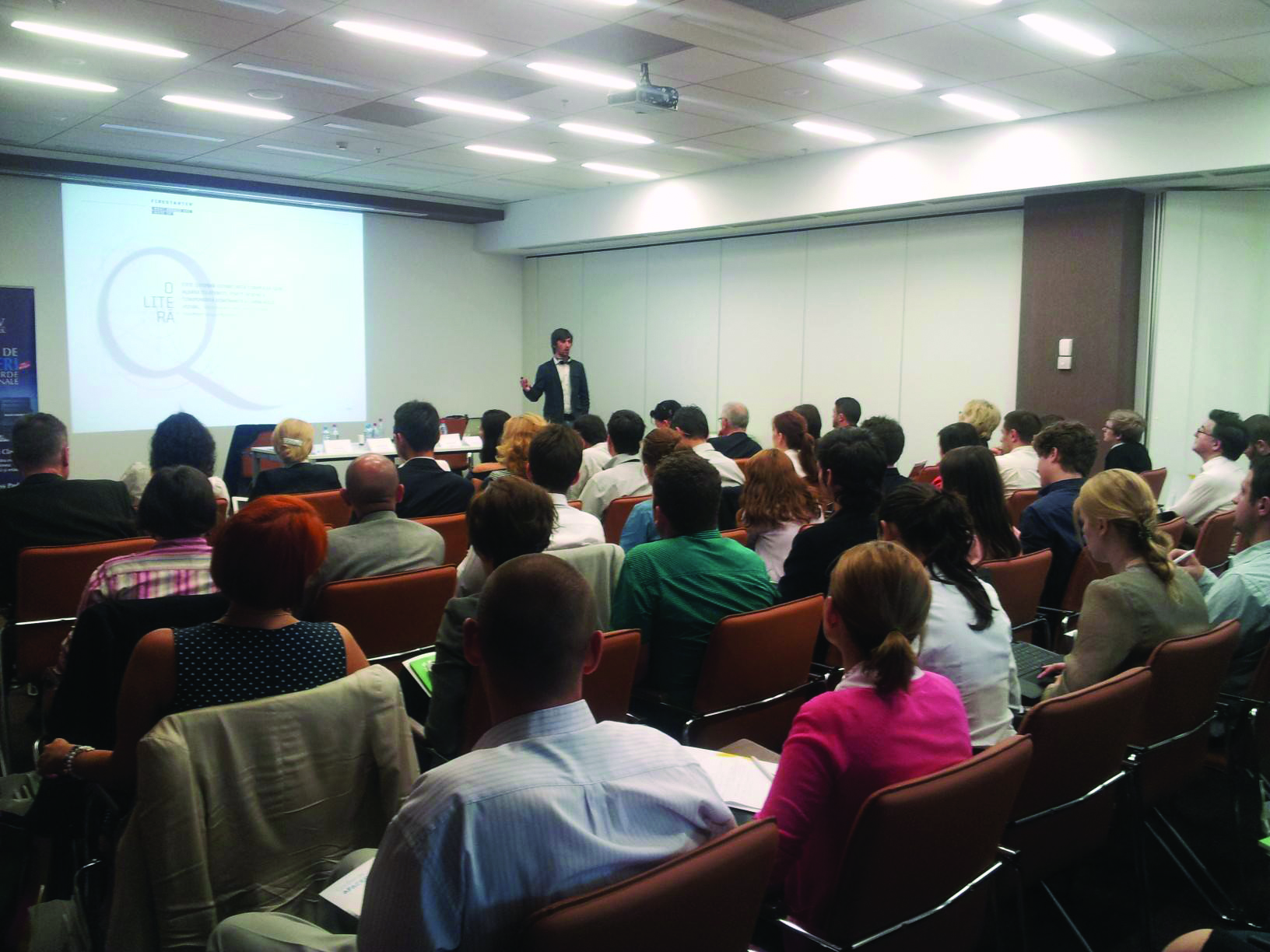
2013, AFACERI.RO, CONFERENCE
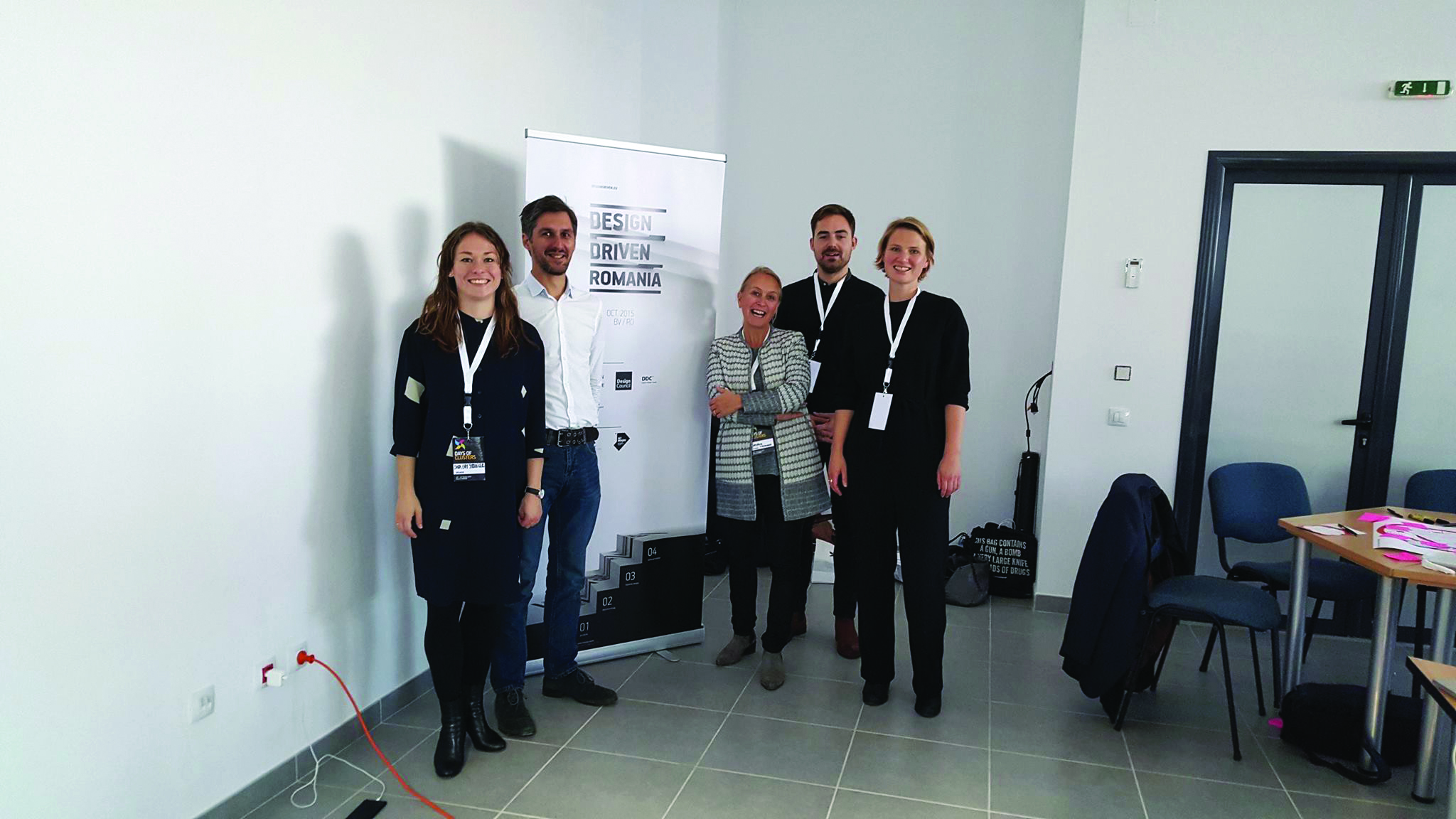
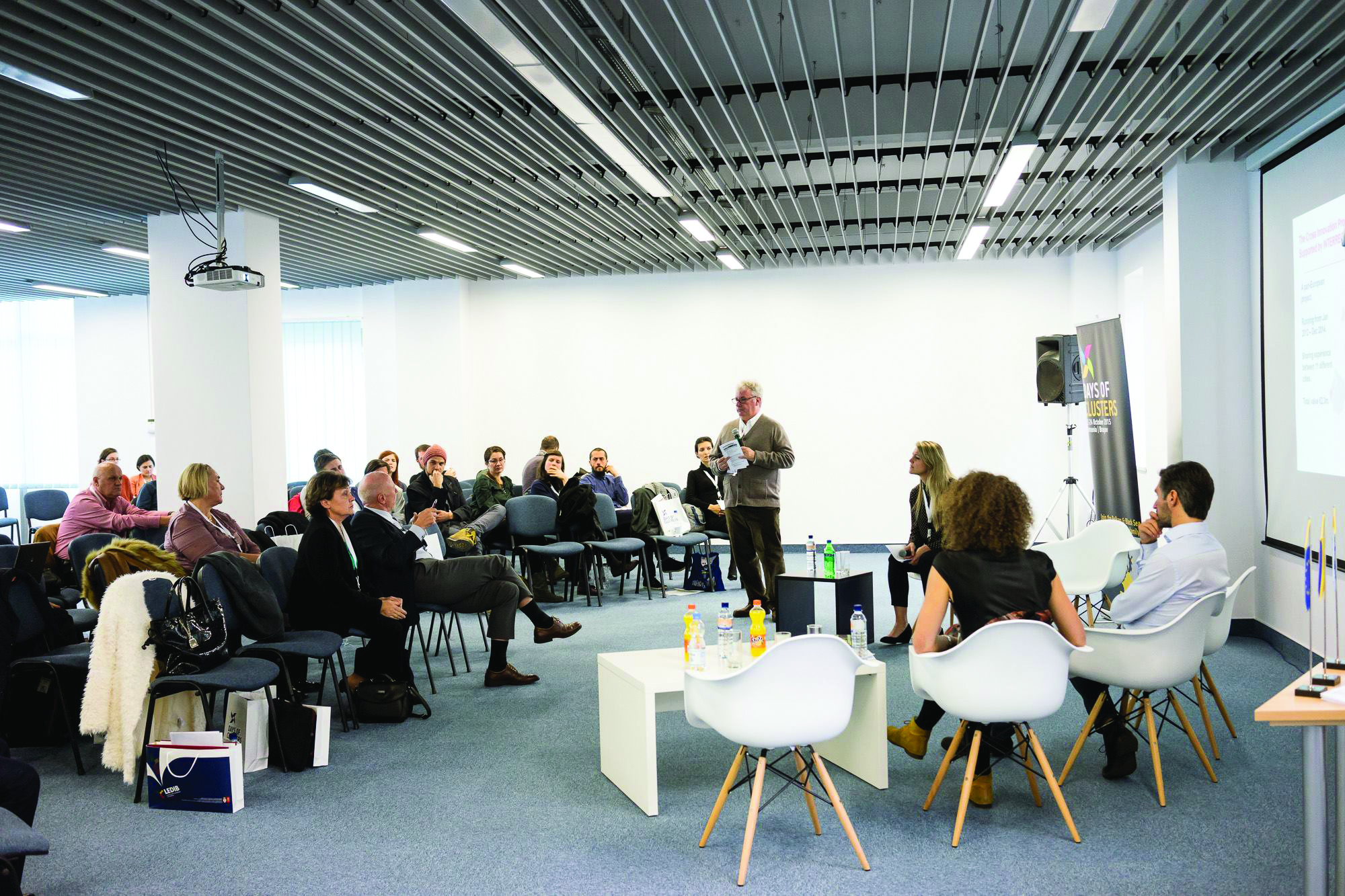
In 2013, at the afaceri.ro conference in Brasov, I gave a presentation on the strategic role of a city’s identity. Two years later, in October 2015, I organised the Design Driven Romania event in Brasov, bringing to Romania for the first time representatives of Design Council UK, the Danish Design Center, Design for Europe and Pilsen 2015 (the European Capital of Culture). Over two days, programme directors from these organisations shared experiences about the development of Design Driven solutions from the UK, Denmark and Czech Republic for public policies, and ran workshops to familiarise the audience with the methods and benefits of the Design Thinking process. Since 2016, I have been involved in the development of the Romanian Design Council, alongside Romanian designers and architects and universities with design and architecture faculties in Bucharest, Cluj, Iasi and Timisoara.
Brasov Design Center (BVDC) is the social entrepreneurship project I presented to the authorities at a conference organised a year ago by the Brasov Metropolitan Agency (AMB).
At this moment, we are an initiative group made up of designers, architects and sociologists, with the goal of becoming a public utility organisation and the mission of developing solutions centred on people’s needs, by involving them and the authorities in the design process. The vision is for Brasov to become a Design Driven City, amplifying the perceived value of the city for both residents and visitors. A city whose brand becomes the very experience of using its public services, and whose visual identity becomes a factor in the culture and education of the community.
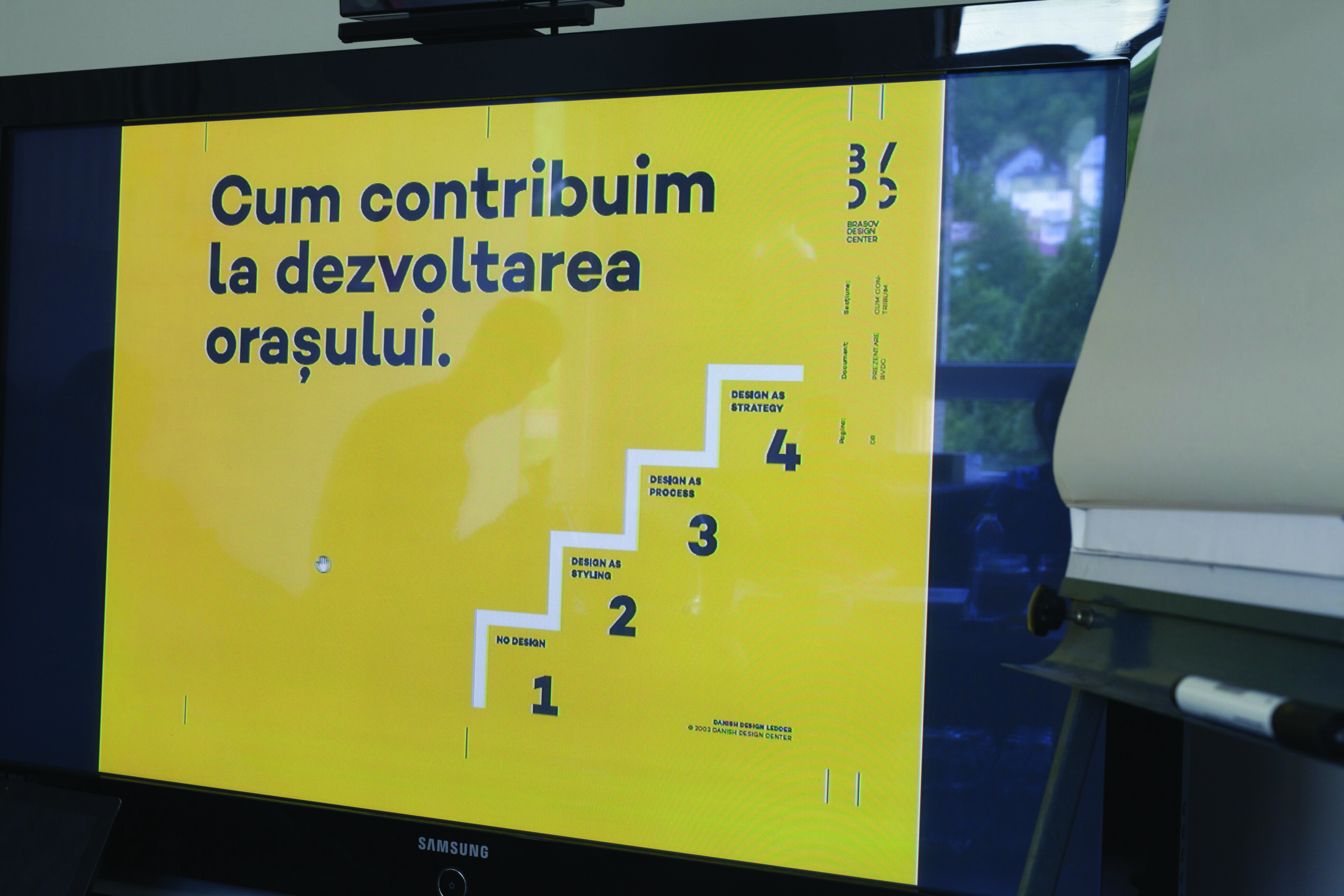
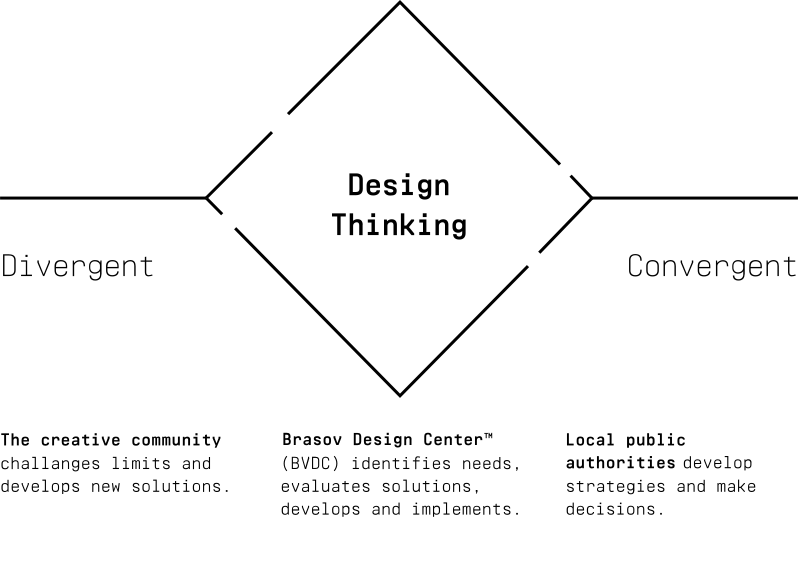
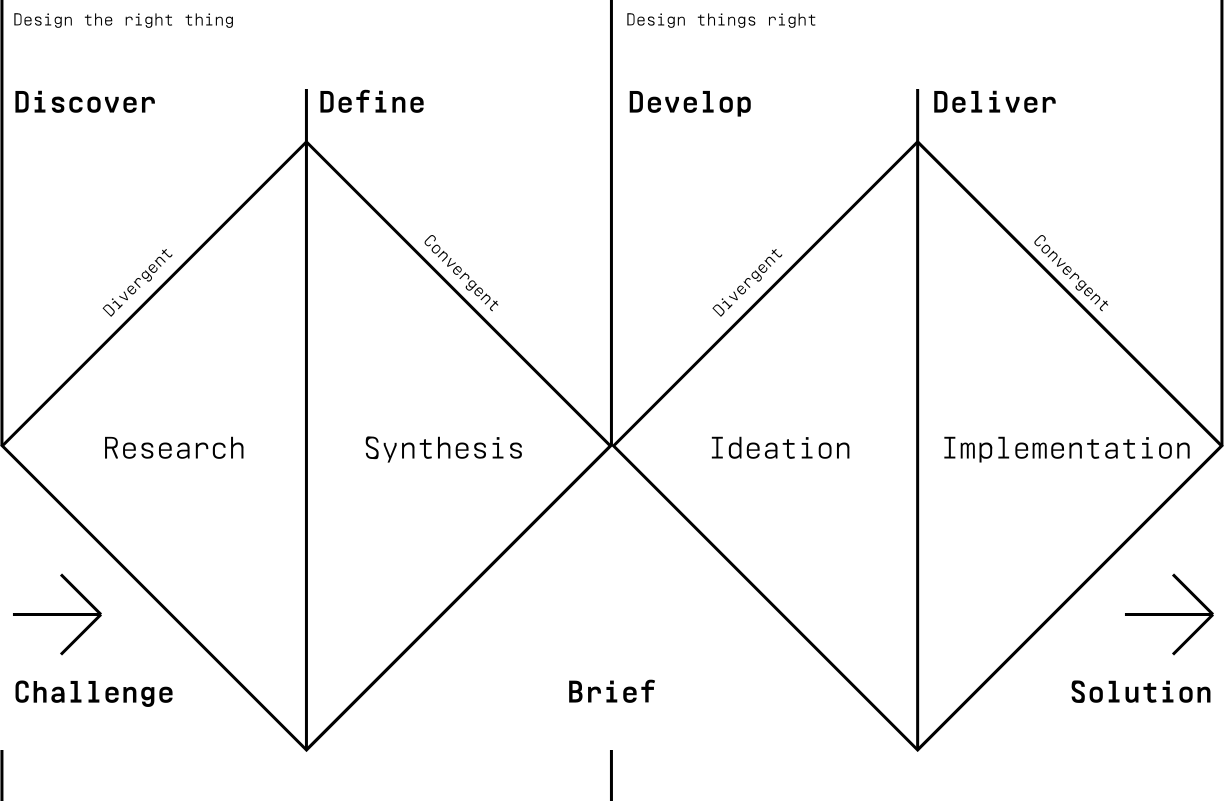
It also organises research and prototyping programmes, involving the creative industries and citizens in the design process (Co-Design). BVDC is a catalyst that brings together the divergent approach of the creative community and the decision-making convergence of public administration. The Design Thinking process consists of four stages: research, synthesis, ideation and implementation. Design-specific research methods bring integrity and objectivity to the process of defining solutions and centre the entire effort on people’s needs, directly involving them in the outcomes.
Nevertheless, the number of cars will grow, and with it the experience of using the city will deteriorate. Even if investments in public transport infrastructure increase the quality of service, the main challenge remains the conversion of collective mindset away from the paradigm of personal ownership toward that of shared use. From owning to sharing. In practice, reducing car use in favour of public transport is an objective that, above all, requires community cooperation.
An important contribution to shaping the culture of use is already being made by the Sharing Economy concept, visible in Brasov through services such as Uber or Airbnb, which over the next 12 years will bring about a democratisation of today’s monolithic solutions, including those of public transport, as Citymapper is already doing in London.
A community in an emerging economy will remain captive to the culture of ownership for some time yet. The personal car is, for many, a declaration of social status and only secondarily a utilitarian solution. For many mobility needs within the city, a bicycle or public transport become more efficient solutions given the current traffic conditions and the availability of parking.
“A developed country is not a place where the poor have cars. It is a place where the rich use public transport.”
And the challenge is precisely for this service to build, through its functionality, through the identity of all interaction points (the architecture of stops, the appearance of vehicles and staff, the graphic design system, digital interfaces, etc.) and through strategic communication, experiences comparable to those of other services that set benchmarks for use (Uber, Netflix, Google, etc.).
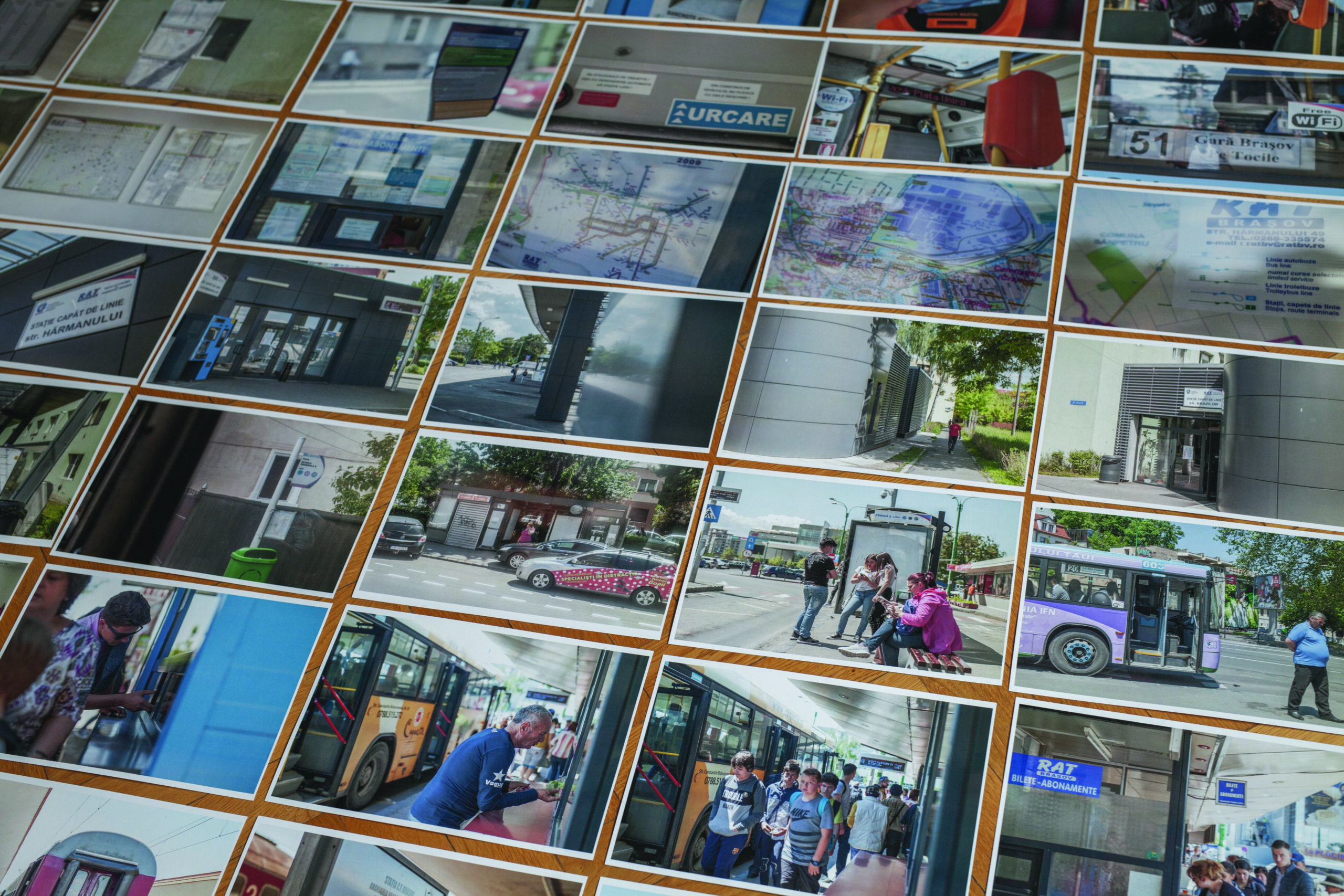
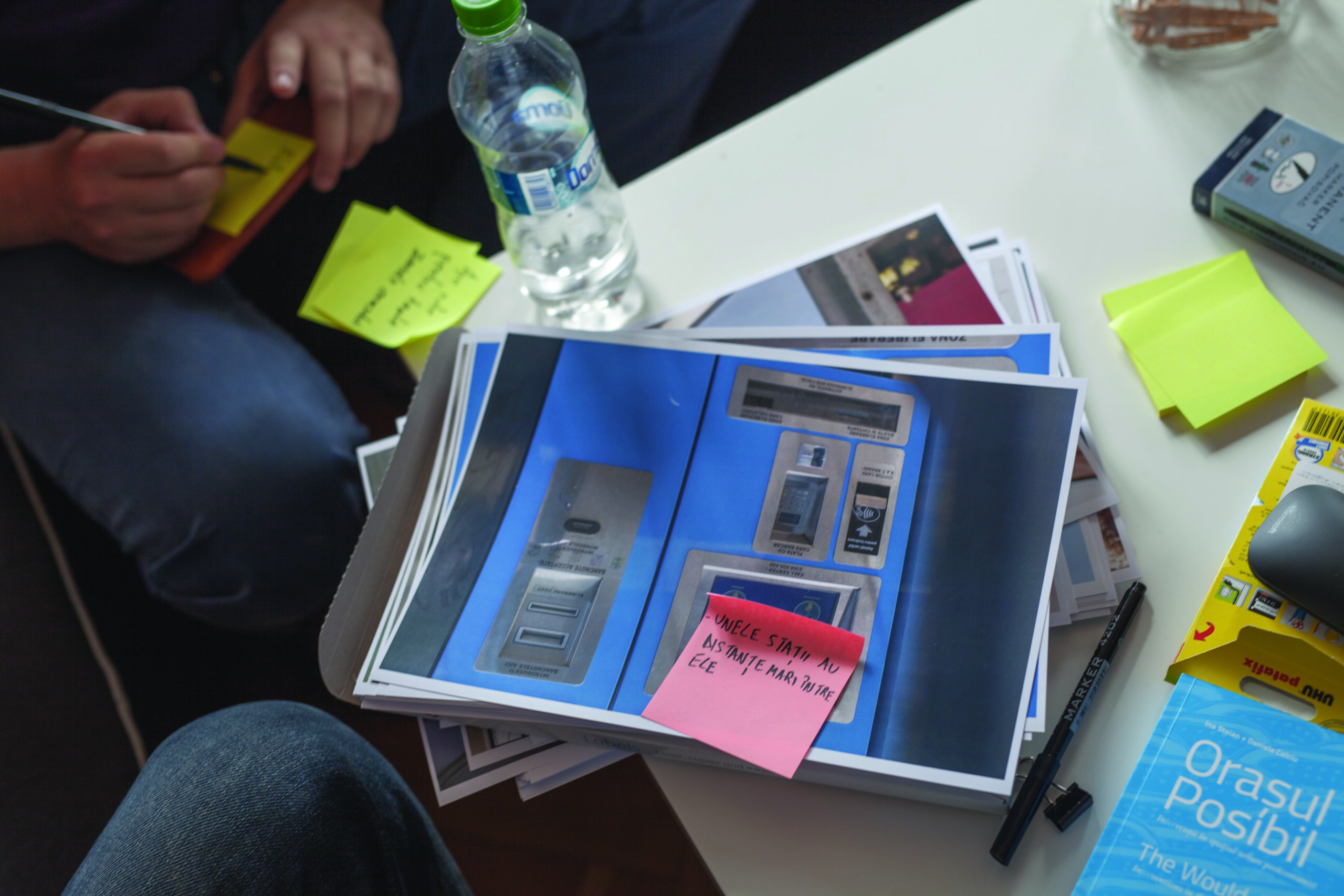
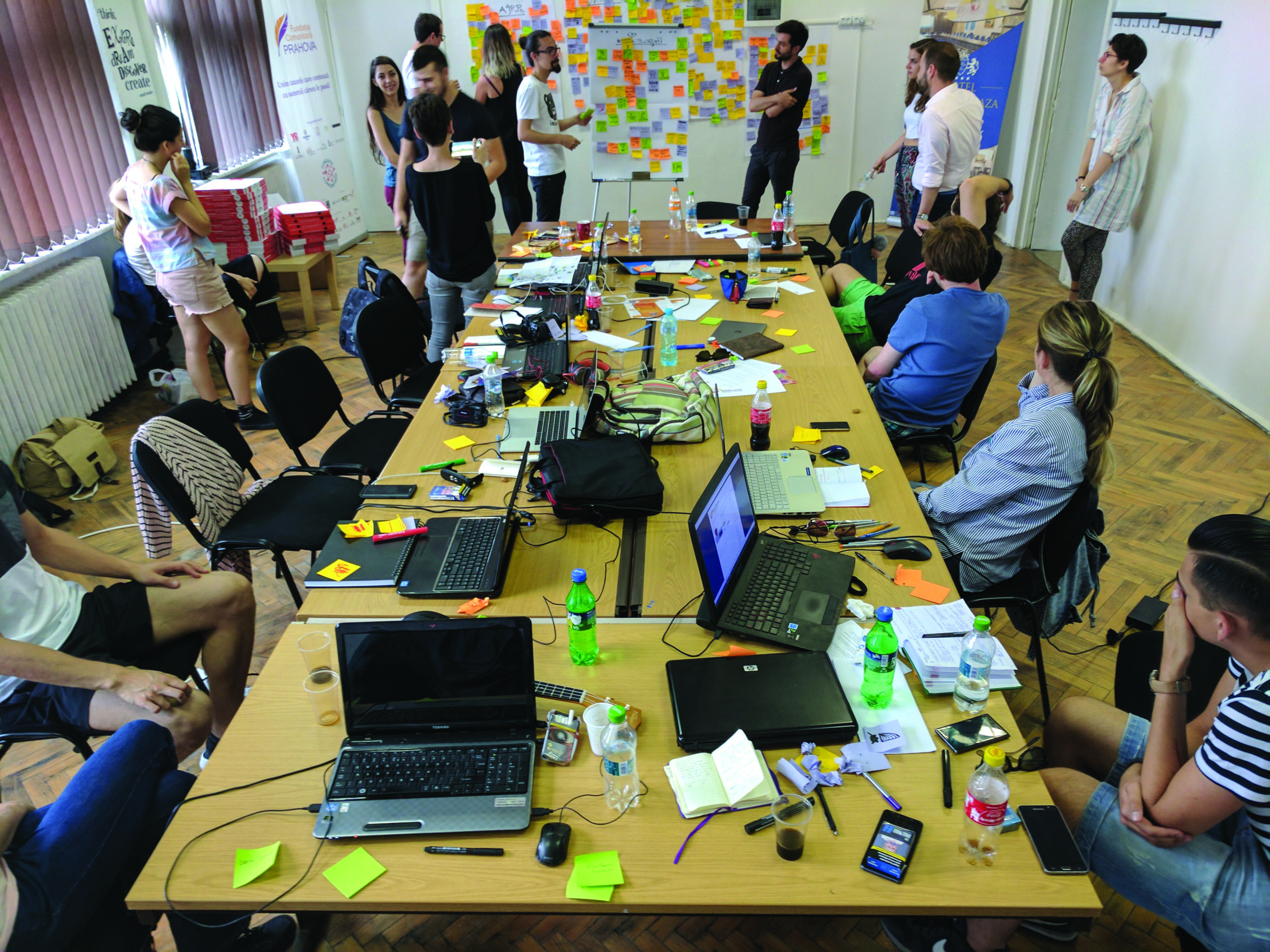
In May 2017, we organised, together with the Romanian Design Council (RDC), the first research session using design methods focused on local public transport. This year we are continuing with three further research activities, so that by autumn we can propose to RATBV a first set of solutions to be prototyped on a transport line.
This continues on from the one held the previous year, carried out over four days by a team of 40 people, including designers, architects, sociologists, students, RATBV employees and public transport users. It is an activity organised by BVDC in partnership with MIC (Marathon of Creative Engagement), an initiative group from Bucharest that similarly aims to resolve societal needs through design methods.
The second research activity, in a format similar to the first, is related to the Mobility Week event organised by VISUM, scheduled for June-July 2018. The third will be in partnership with Amural, as part of the design events of the festival: it is the prototyping marathon in which the data collected from previous activities will produce the first solutions. We aim for the Design Thinking process begun for public transport to enter the implementation phase during 2019, following the evaluation
of solutions prototyped on RATBV’s experimental line. In the medium term, we aim to become involved, in partnership with other organisations, in other areas of the city as well, including social assistance services, the municipality’s fiscal services, and themes that play a role in the community’s identity, from visual signage systems on streets to the functions and design of public spaces.
The process itself is an experiment for us too. It is the one that will help us learn from experience and find the optimal formula for developing BVDC sustainably as a community platform, politically independent, equidistant and of public utility.
“We have shown that local government not only can, but must redesign its services from the client’s perspective. Residents are simultaneously users of public services and taxpayers who fund those services. As taxpayers, residents want cheaper local services; and as service users, residents want them to be better and faster. Design Thinking and the user-centred approach are an integral part of transforming public services into successful and sustainable ones.”



Branding in industrial sectors.
Brandingmag Interview
Down with aspirational adjectives.
How you end up going in the wrong direction.
