How do you build a frozen food brand that people trust in a category where trust is the last thing a consumer is willing to give.
OVERVIEW
There are product categories where the battle is fought in the consumer’s mind before they ever reach the store. Frozen food is one of them.
The perception has been shaped by years of accumulated associations: frozen means processed, processed means compromise, compromise means you had no better option. Any brand entering this category automatically inherits this burden, regardless of how good the product actually is.
Septem Generation, a Romanian company with deep experience in trading, processing and distribution of food products across Europe, wanted to build a retail brand that would break this logic entirely.
and the architecture of a brand built on transparency.
Projects entering a category with deeply embedded negative perceptions need, before anything else, a clear understanding of the ground on which they are building.
Challenges
No pre-existing brand or product to build from.
A category associated with excessive processing and low quality.
The need to build trust in a sensitive territory: food.
Alignment between the producer's vision and consumer expectations.
A category carrying the wrong reputation
Frozen food has an image problem that does not necessarily come from quality, but from outdated associations. Decades of heavily processed products, labels designed to obscure rather than inform, and communication that deliberately avoided detail have built a category portrait that is very difficult to escape.
And yet the reality is more nuanced. Rapid freezing, when done correctly and immediately after harvest, preserves nutritional values better than many fresh products that spend days moving through distribution chains.
At the same time, Materra was not starting from an existing brand or product. Everything needed to be built from scratch, from the structure of the offer and the logic of the product range to the meaning the brand would carry in the life of a real consumer. This dual pressure, of fighting category perceptions while building an identity from the ground up, shifted the conversation from design into something closer to foundation work.
Research:
beyond what people say they want
The research process combined Design Thinking and Service Design workshops with individual interviews and user experience mapping.
The goal
The goal was to validate the hypotheses we already held and to understand what actually happens in the moment a consumer stands in front of the frozen food aisle.
What we found confirmed the tension identified from the start:
people want quick solutions, but they are no longer willing to not know what they are eating. They want convenience, but feel guilty when they buy something they cannot explain. They buy frozen products because they have no time, and they justify the choice to themselves through necessity.
The competitive analysis confirmed that the category’s communication was built largely on images of nature and vague quality promises, with no data, no real transparency about process, and no voice willing to treat the consumer as an informed adult.
STRATEGIC
CONSTRUCTION
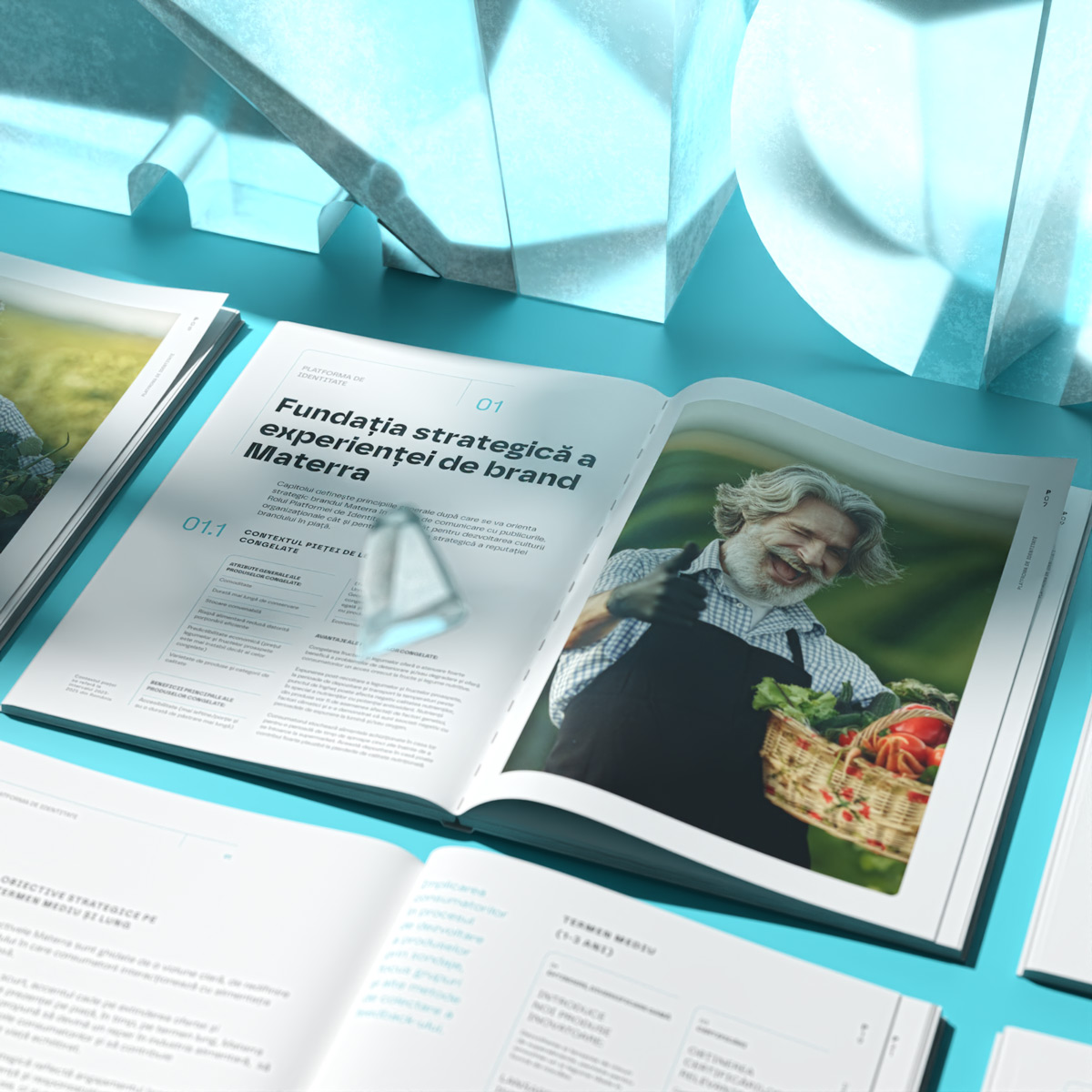
The positioning that emerged from this phase was a logical conclusion drawn from everything we had come to understand about the category, the consumer, and the context in which Septem Generation operated.
Materra does not sell frozen vegetables. It sells control over what you put on the table, regardless of how little time you have.
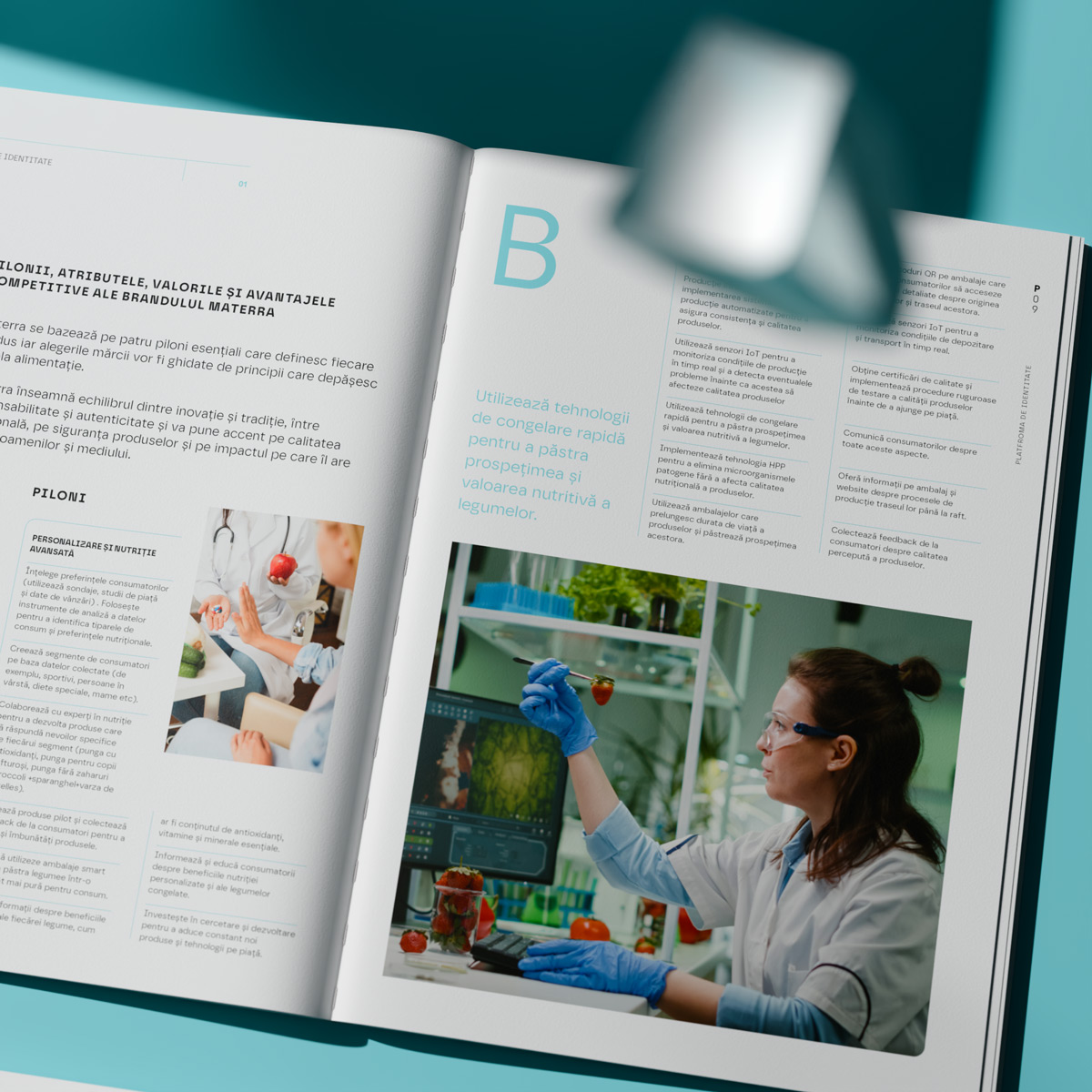
The credibility of this positioning comes from the production chain that Septem Generation controls: certified producers, processing under optimal conditions, full traceability, European food safety standards.
NAMING
The naming emerged as an expression of this balance between nature and rigour, between origin and process, between the emotional and the functional. Materra combines raw material and the earth it comes from. Two words that anchored the brand simultaneously in the concrete and in responsibility.
A SOLID
STRATEGIC FOUNDATION
At the end of the Fuel phase, the brand had arguments built from the inside out.
FUEL DELIVERABLES
Design Thinking Workshop
Opportunity mapping, audience definition, founding team alignment.
Competitive & Market Analysis
Category communication audit, unoccupied spaces and differentiation opportunities.
Brand Strategy and Positioning
Positioning, central promise, values, message architecture.
Product Architecture
Range structure, offer logic, expansion criteria.
Naming
Generation semantic and legal validation, strategic rationale.
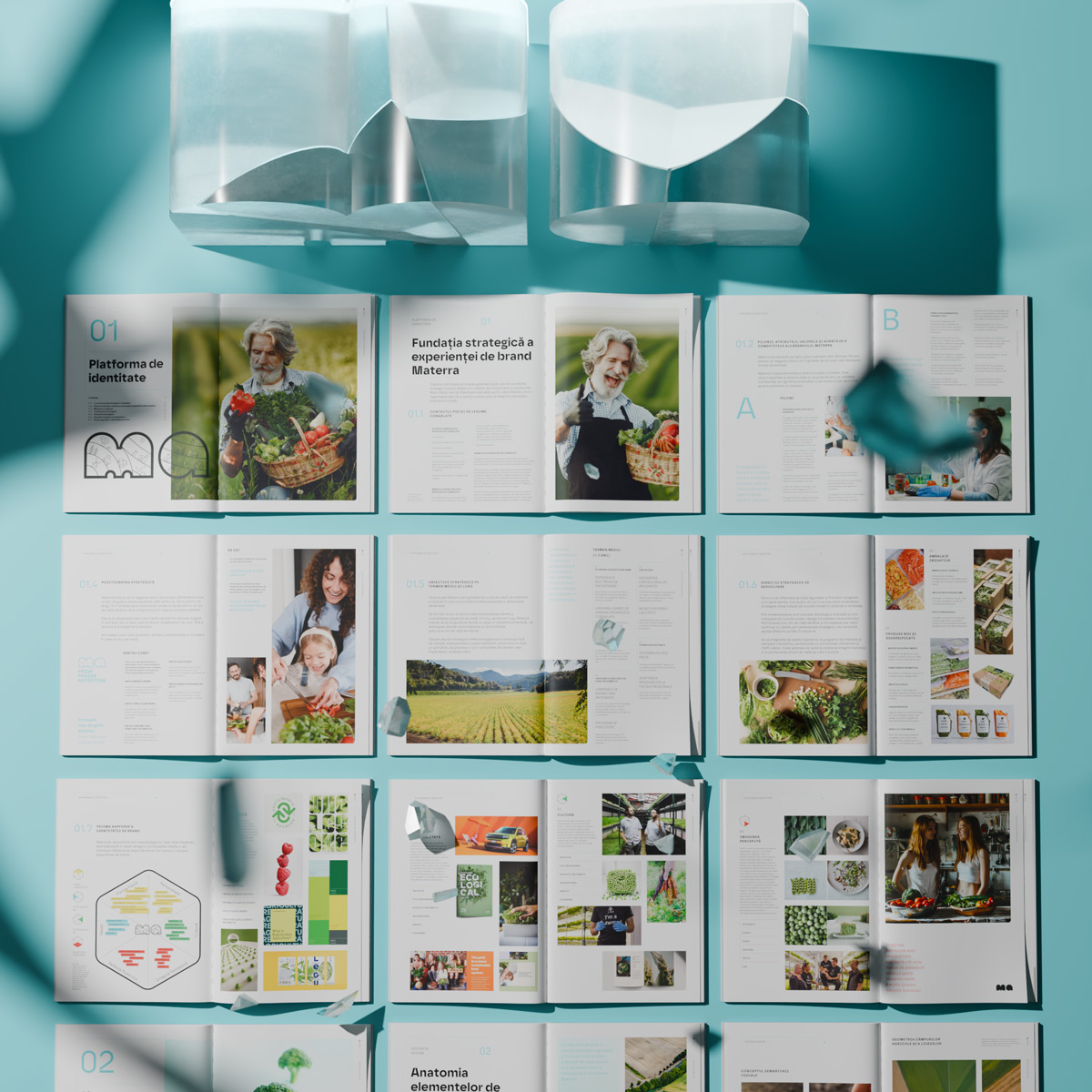
Identity Platform
Manifesto, tone of voice, tone of communication.
Communication Directions and Language
Language directions grounded in strategy.
Digital Experience Wireframe
Site structure, information hierarchy, navigation logic.
Visual identity,
packaging, design system.
Information as a design element
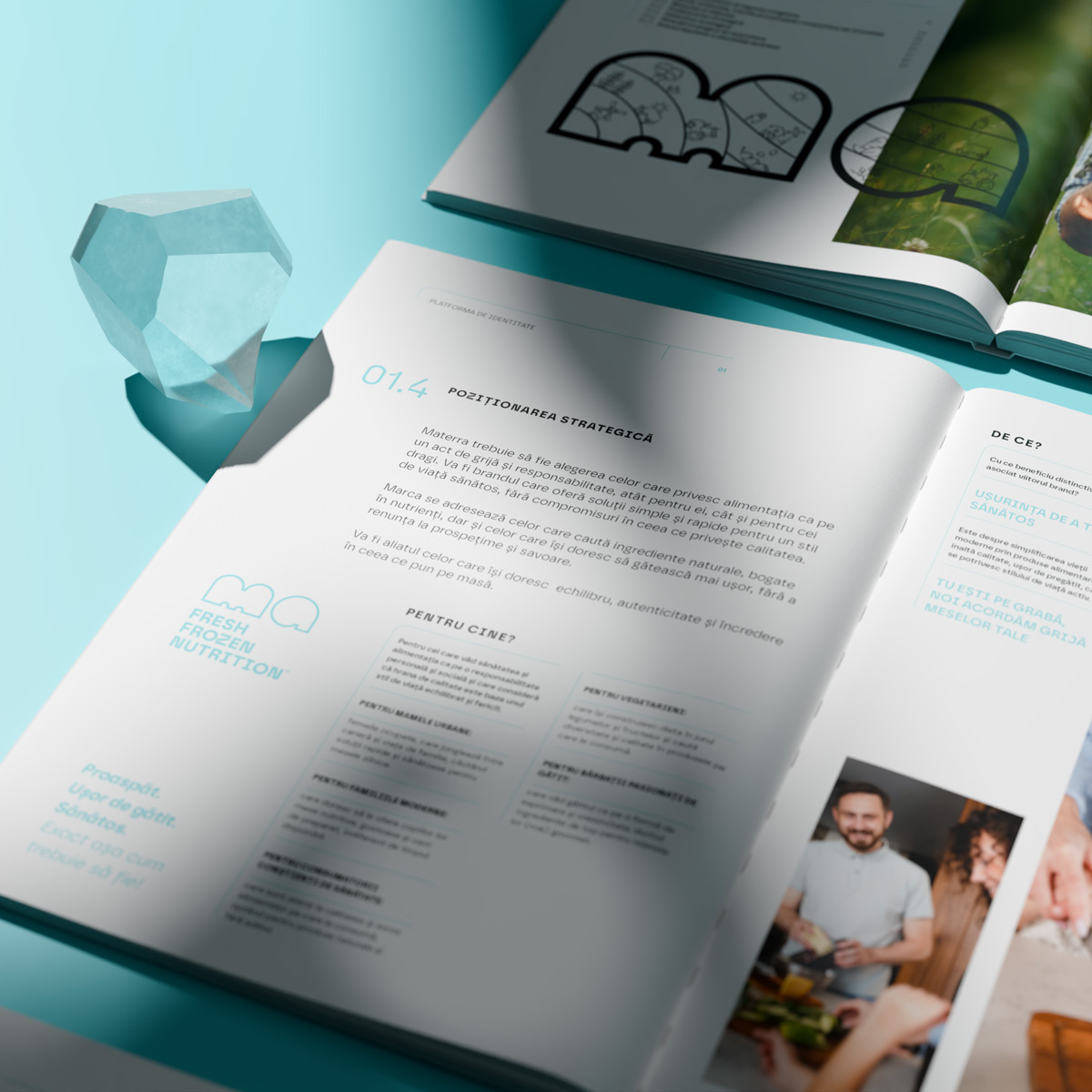
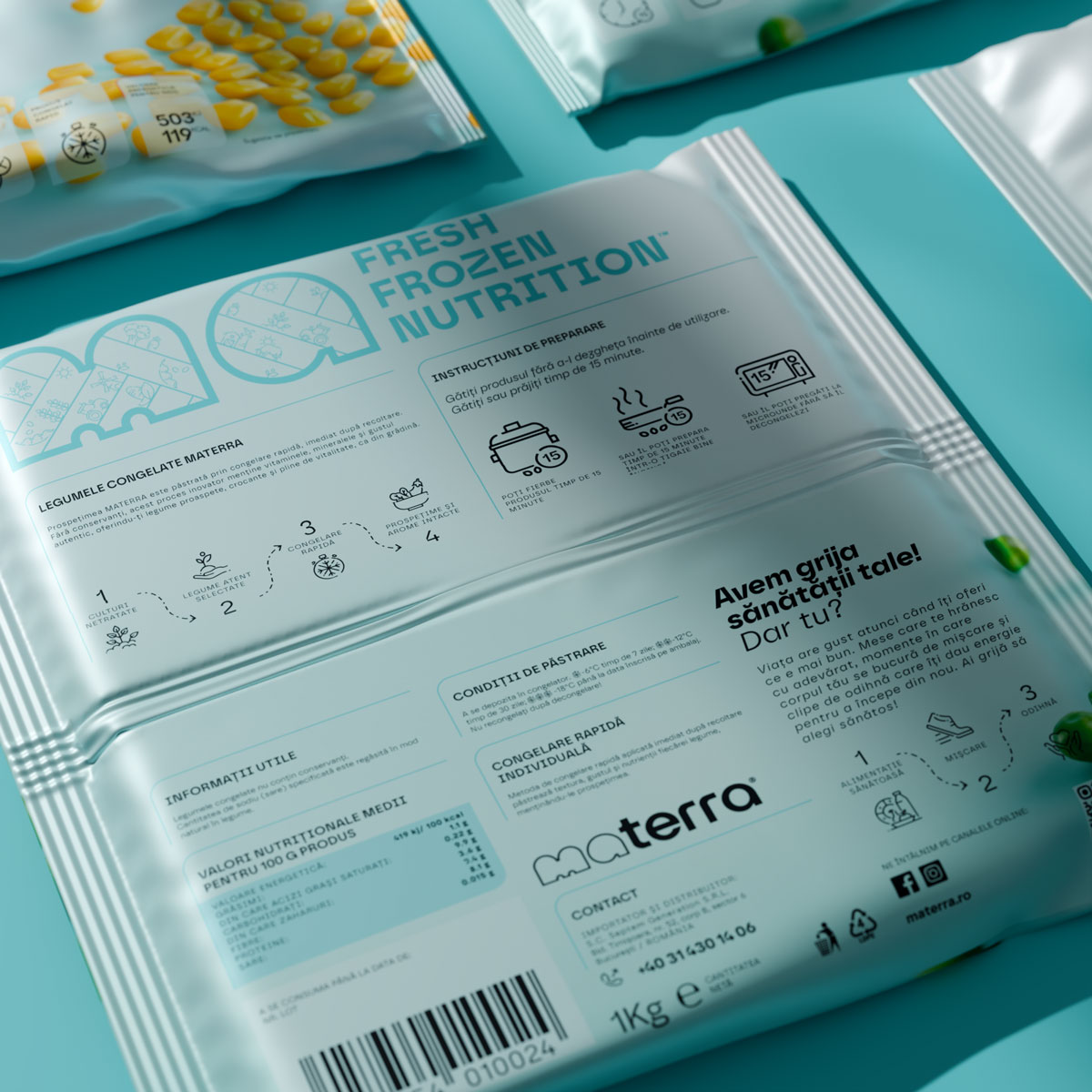
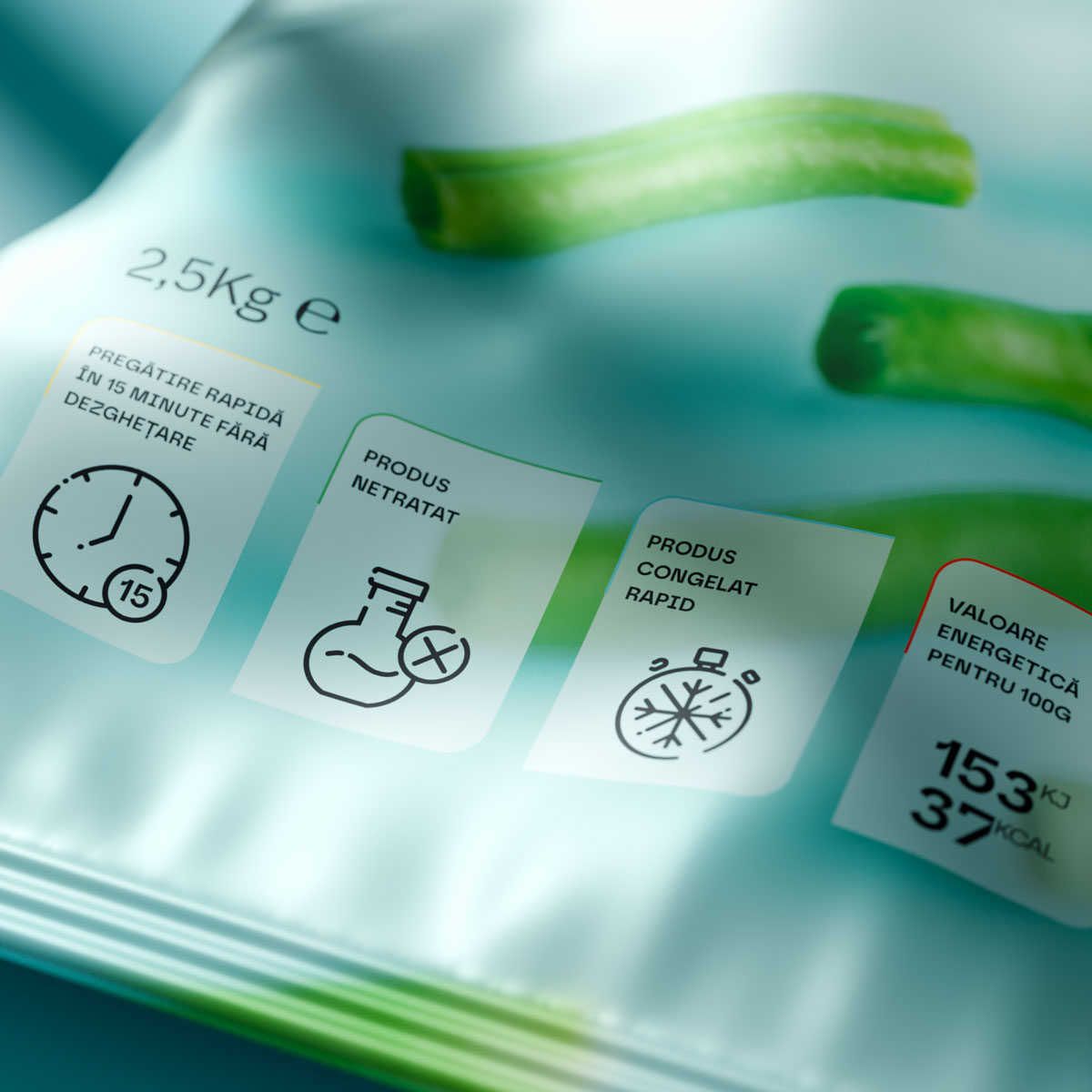
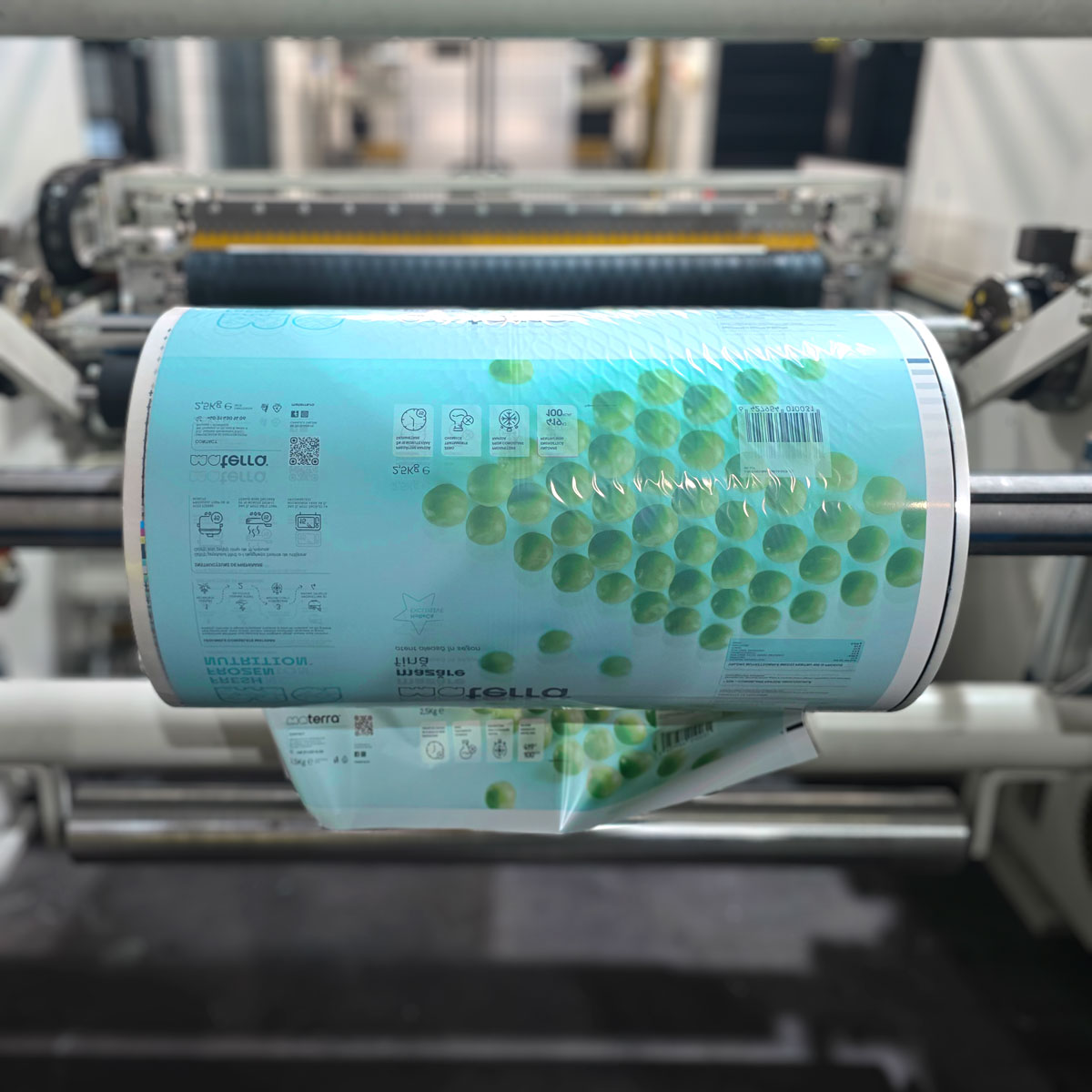
In a category where labels hide more than they reveal, Materra took the opposite approach. Information is not buried on the back of the packaging. It is part of the identity itself.
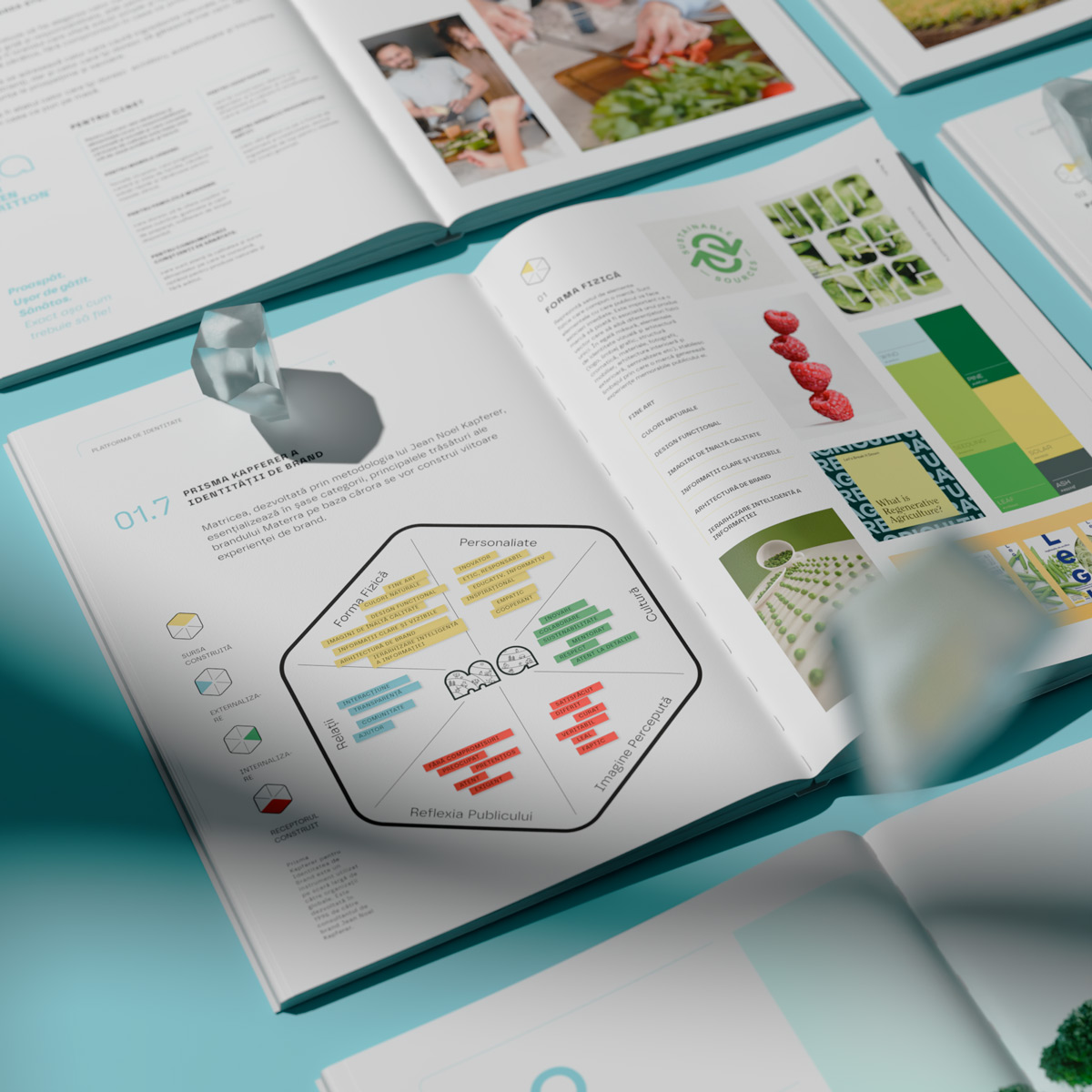
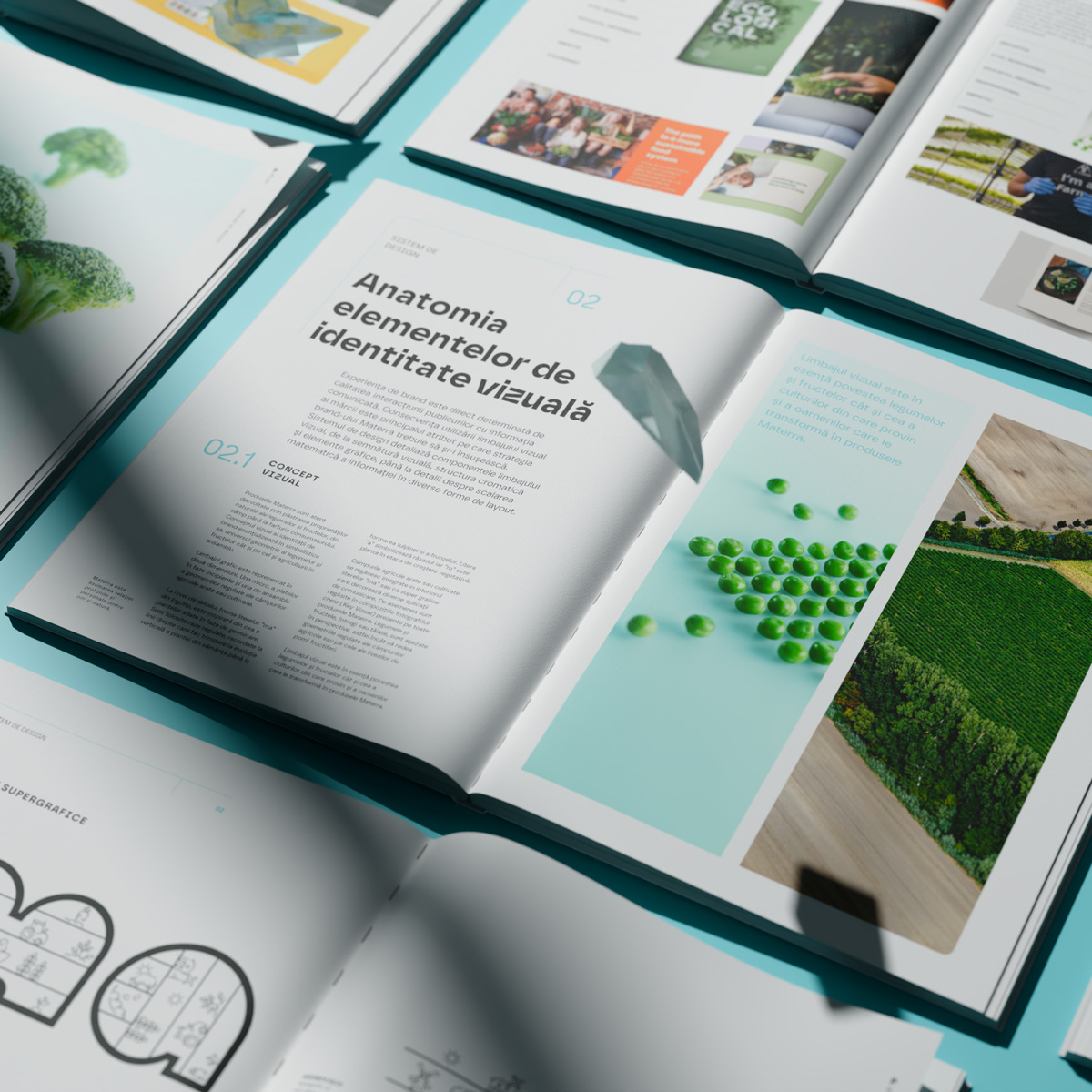
The visual system was built around this logic: balance between natural and rigorous, between emotional and functional, between accessible and informed.
The palette and tone were calibrated to communicate freshness and honesty, deliberately avoiding the green clichés of “natural products.”
Packaging
as the first argument
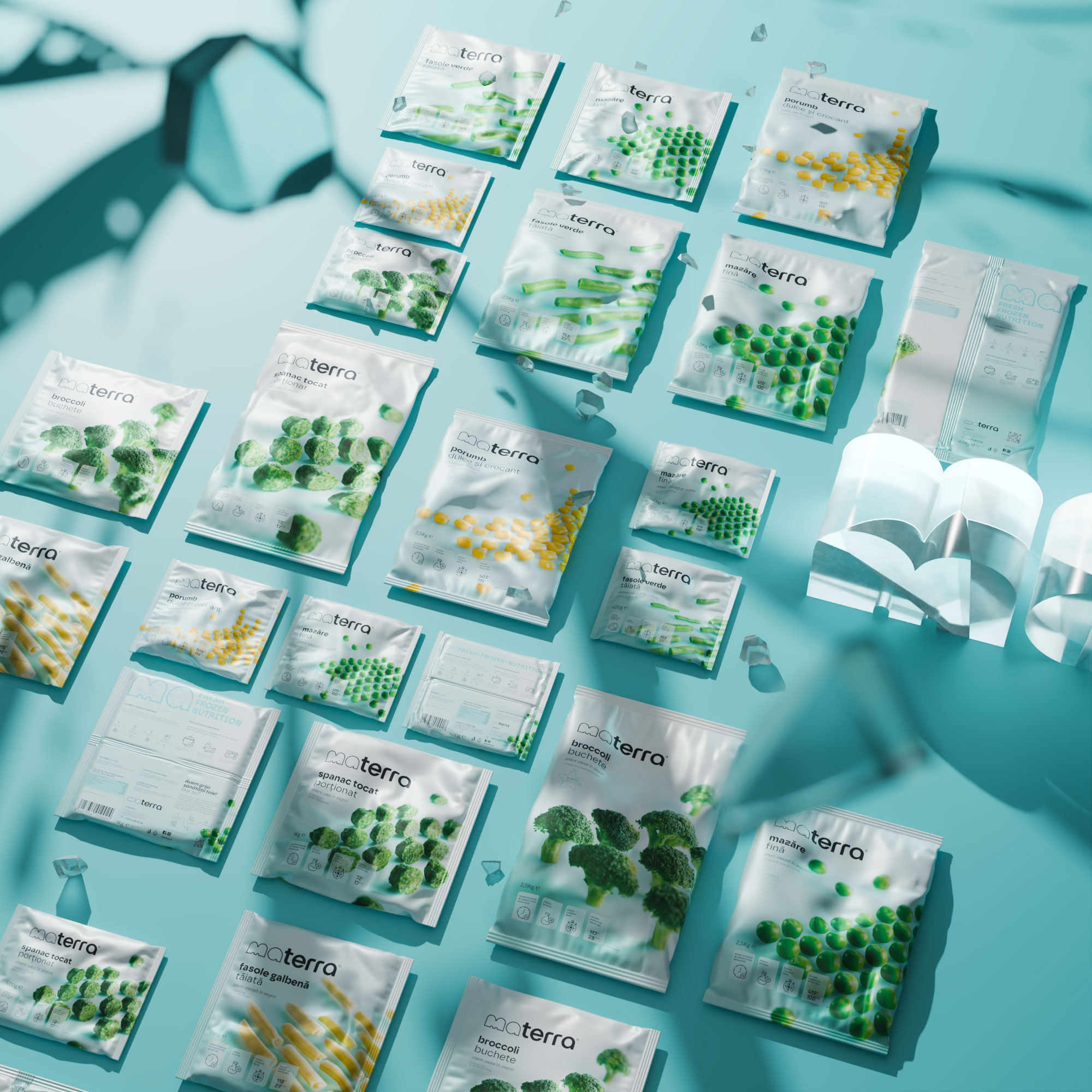
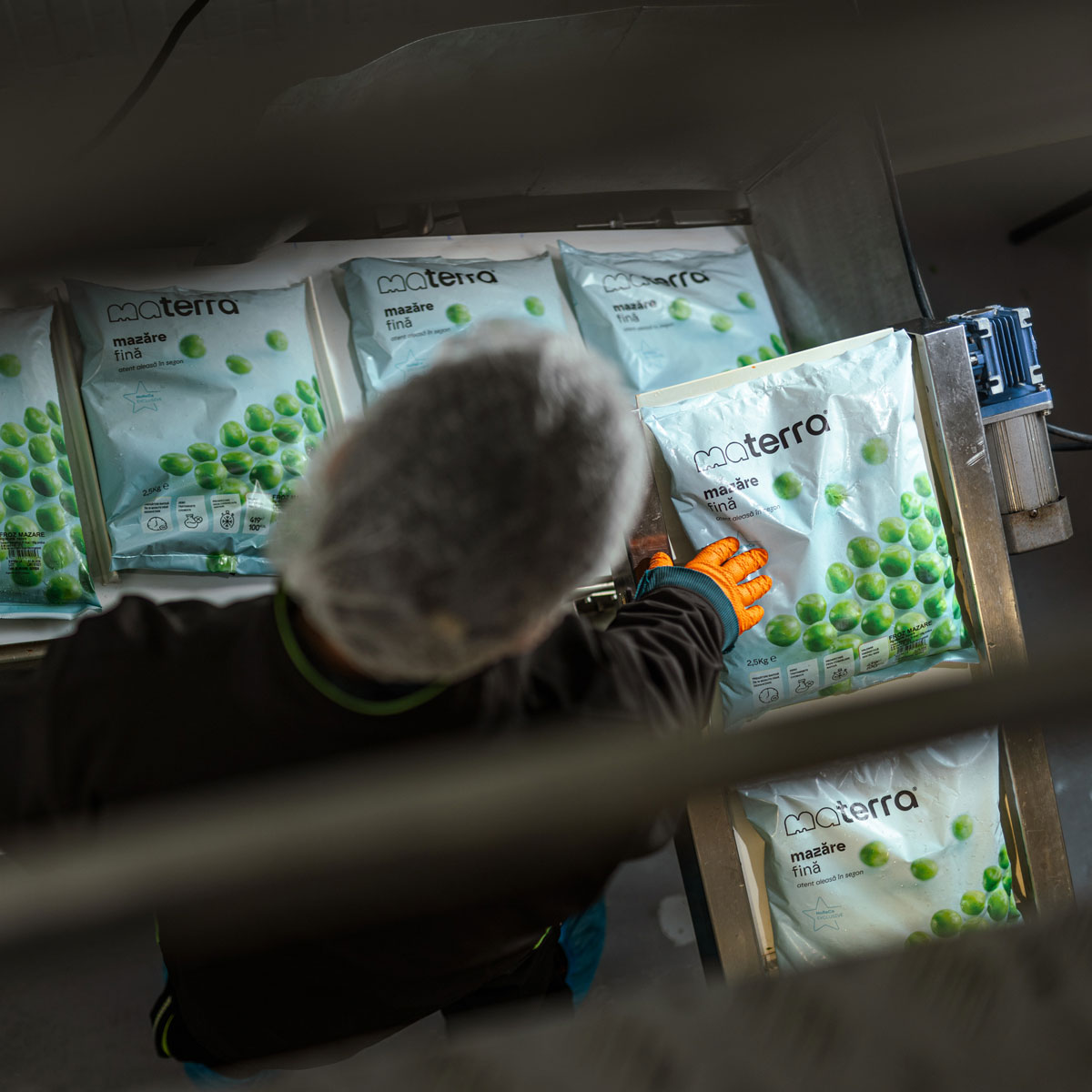
The packaging of a frozen product is the only moment where the brand and the consumer meet face to face.
It is a sales tool and an education tool at once.
RESULT
For Materra, the packaging was designed to function on both levels simultaneously. Visually, it communicates immediately what category it belongs to and why it deserves to be chosen. Informationally, it offers clear product data structured to be read and understood quickly, not hunted down with a magnifying glass.
The result is packaging that does not apologise for being frozen.
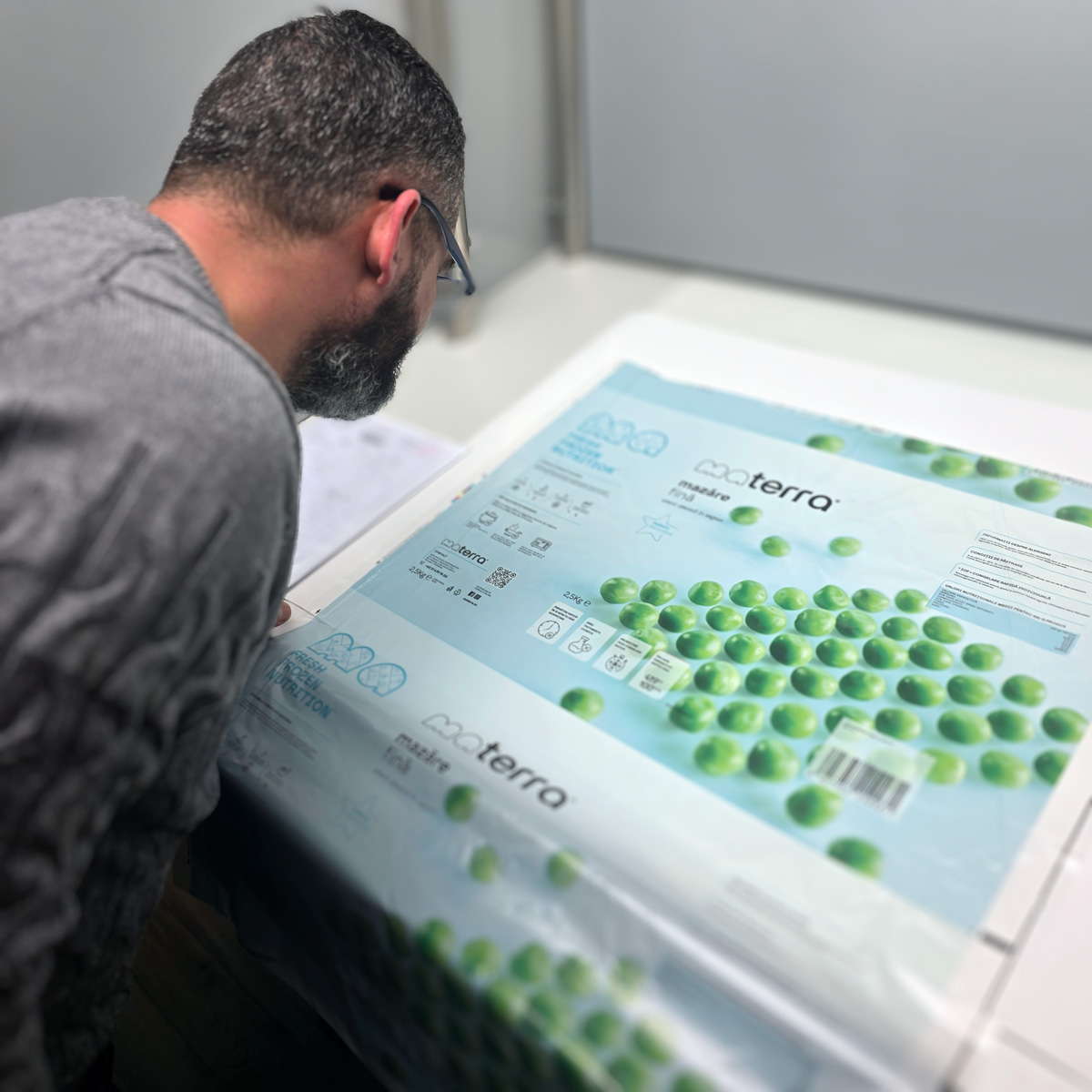
All formats, print-ready files, production specifications.
Implementation
and activation.
A frozen product you can trust is a matter of strategic design solved from the foundation.
Real touchpoints
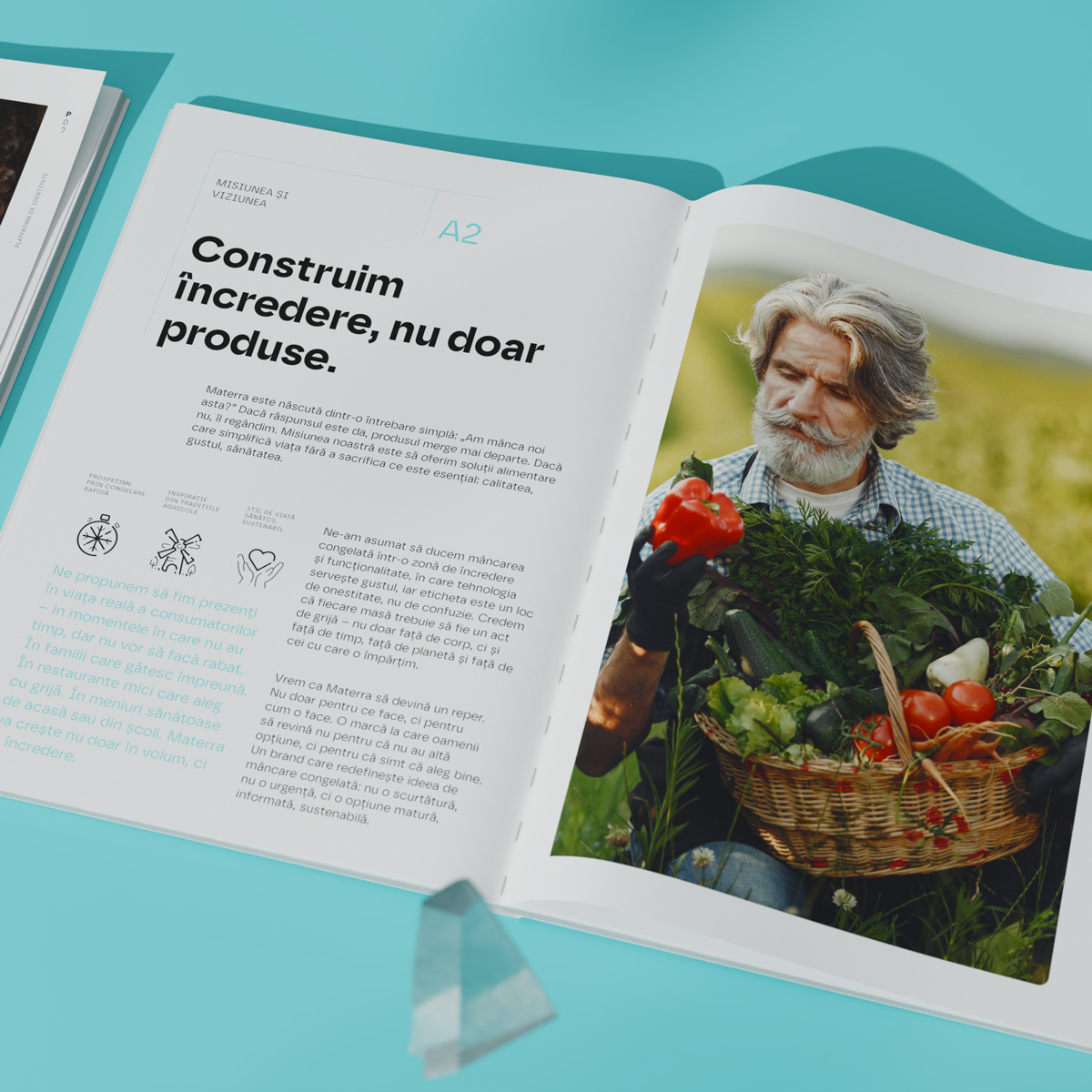
The Materra activation focused on creating touchpoints that were coherent with what the brand promised. From packaging and digital to launch materials and communication with distribution partners, the strategy resisted the temptation to launch everything at once. A gradual build was chosen, and all launch materials respected the same visual system and tone of voice established in Spark, so that every touchpoint contributed to the same brand portrait.
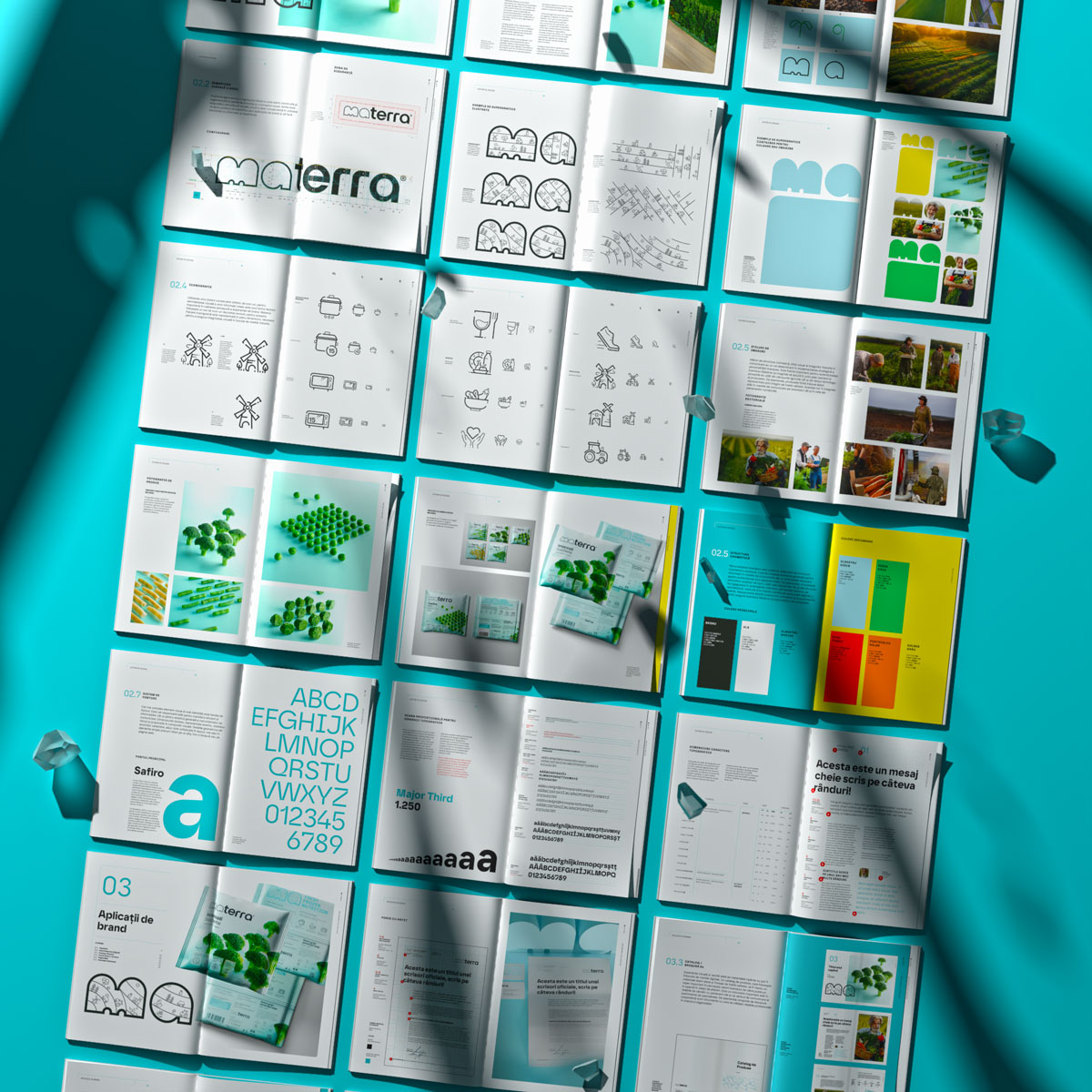
A visual identity system must function with the same coherence across every surface it touches, from packaging and labels to printed materials, branded objects and presence in public space.
METHOD
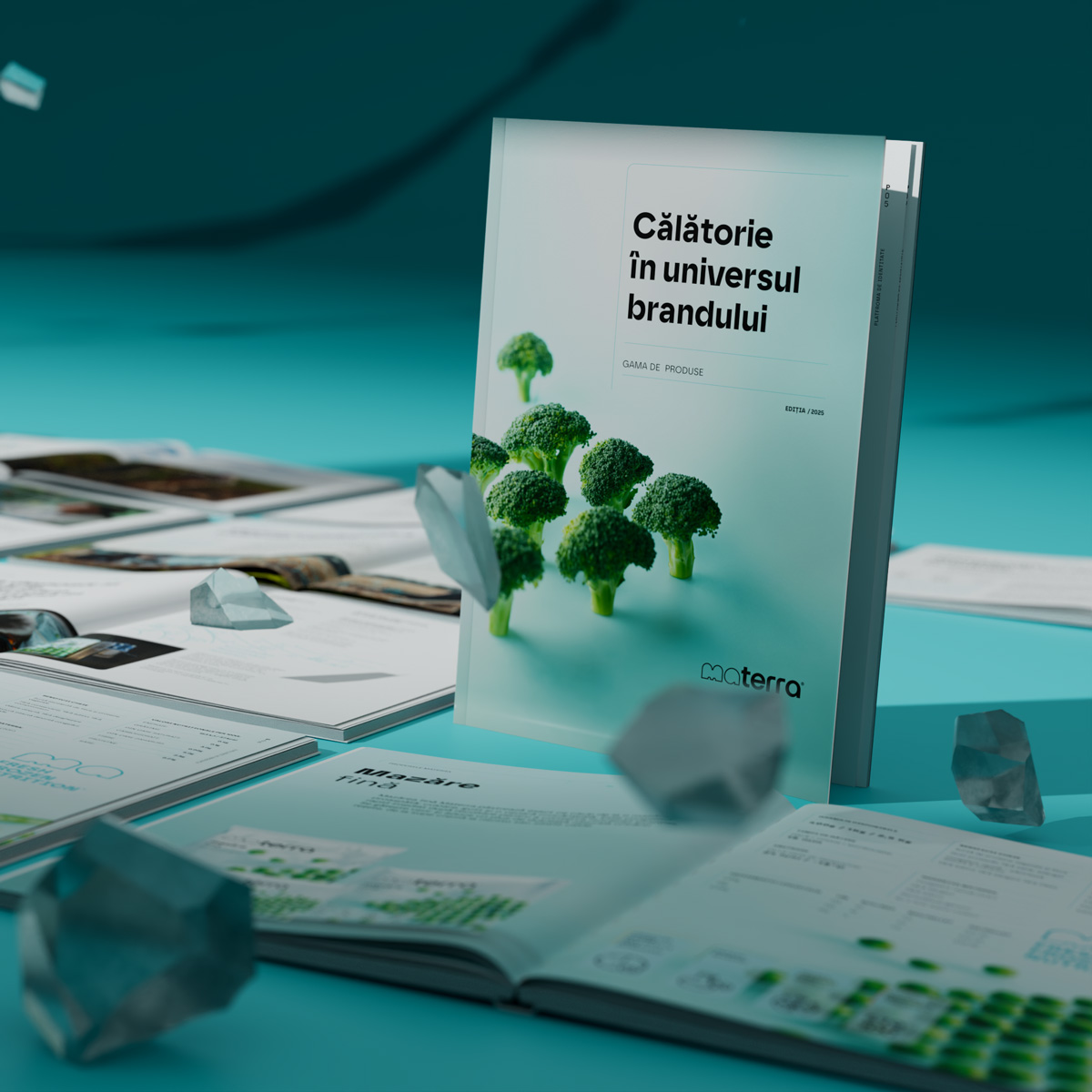
The Materra visual system was built to support this natural expansion: product catalogue, out-of-home materials, branded objects, all governed by the same composition rules, the same palette and the same visual language defined during the identity phase.
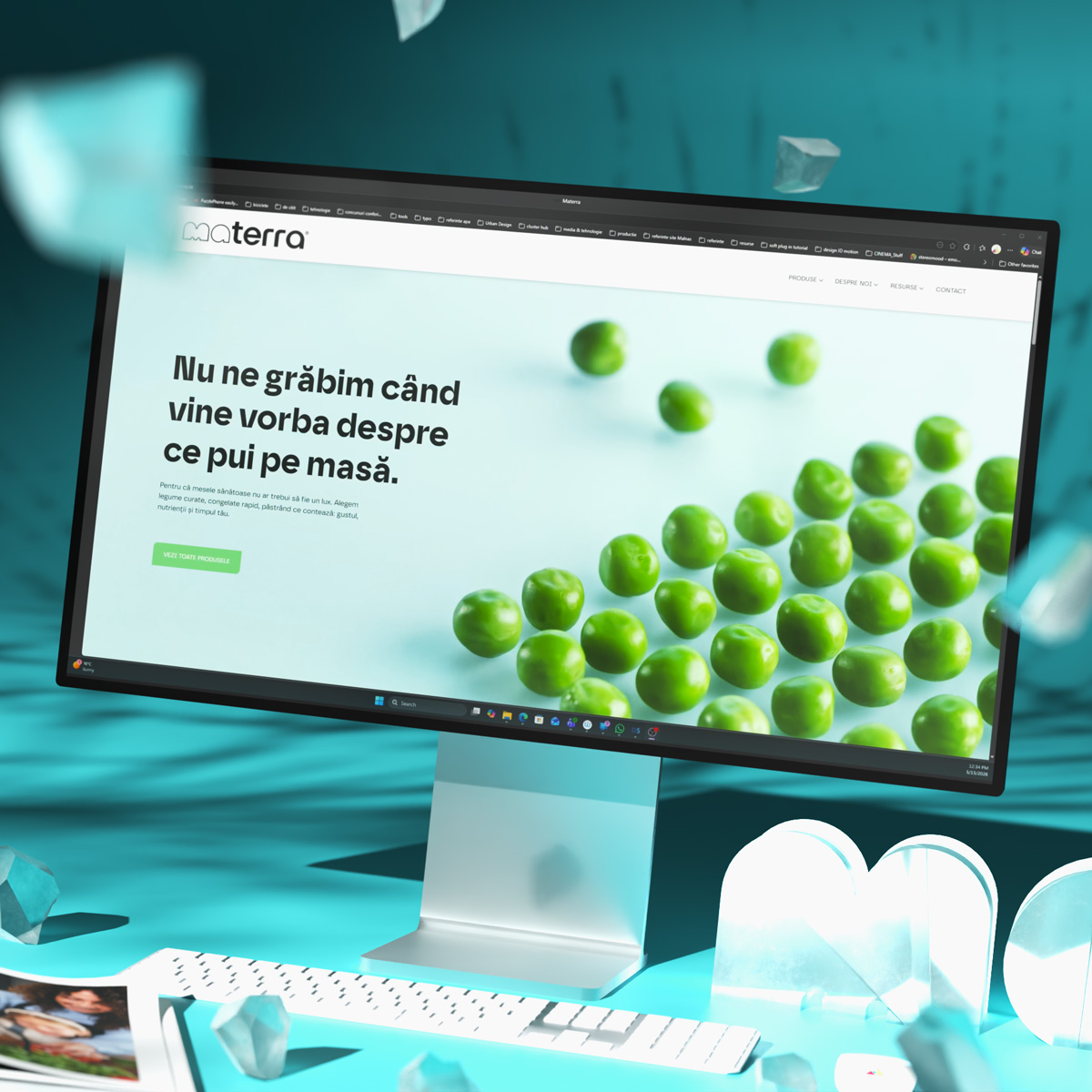
The website completes this system as a digital extension, a space where the user can understand the products, the process and the company’s values in the same language they encounter on the shelf. The UI kit and digital components were built modularly, so the system can evolve alongside the brand.